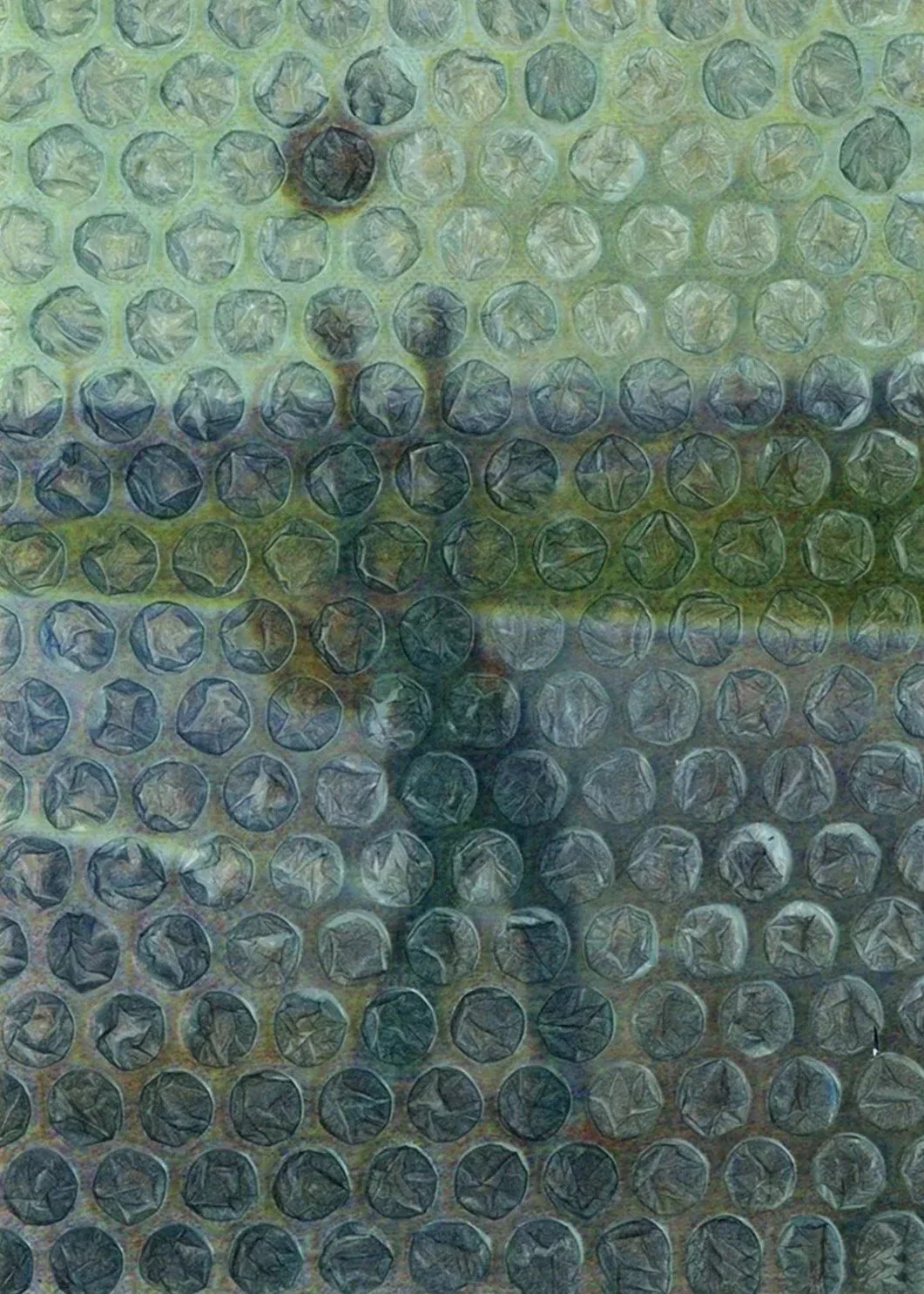
Adam C. Easterling’s work explores the ways memory is preserved, shared, and reimagined through visual culture. Drawing from archival imagery, family photographs, and everyday materials, the Brooklyn-based artist creates works that investigate how Black histories and personal narratives are carried across generations.
Rooted in preservation and curiosity, Easterling’s work invites viewers to consider the value of everyday memories and the importance of documenting Black life in all of its complexity. Through this interview, he discusses cultural heritage, audience engagement, and the ongoing process of building new archives for the future.
In this interview, Easterling reflects on the role of experimentation within his practice, discussing how printmaking, installation, sculpture, and publishing allow ideas to evolve across multiple forms. He shares insights into the artist’s experiences, and cultural influences that have shaped his approach to storytelling and image-making.
“I feel a responsibility to contribute to the ongoing documentation of Black life and culture while honoring the generations that came before me. Much of my work is rooted in preservation, memory, and the idea that everyday experiences deserve to be remembered.”
—- ADAM EASTERLING
-Adam Easterling
WHAT IS YOUR WHY? WHAT DRIVES YOUR CREATIVITY?
Making art is how I express myself and connect with the world. To me, art is a language that can be understood without words. For as long as I can remember, I've found it rewarding to take ideas that exist only in my head and bring them into the world for others to experience. What excites me most is that everyone connects with art differently. Sometimes people interpret a work in ways I never anticipated, and other times they understand exactly what I was trying to communicate. I've always been fascinated by the different ways we process images, stories, and experiences, and how art can influence how we think and feel. One of my favorite parts of being an artist is creating opportunities for people to pause, reflect, and see something from a new perspective. If a work stays with someone after they've experienced it, then I've accomplished something meaningful.
WHAT INSPIRED YOU TO BECOME AN ARTIST ?
I've been making art for as long as I can remember. I still have sketchbooks from when I was five years old. As a kid, I never really questioned why I liked to draw—it just felt natural to document the things I was interested in and the world around me. As I got older, I realized my skills were improving through practice, but it never felt like some mysterious talent. It always seemed like something anyone could do if they were willing to dedicate themselves to it. That belief has stayed with me throughout my life. Creative expression is an important part of being human. We all need some way of making sense of the world around us, and art became that outlet for me.
WHO ARE YOUR BIGGEST ARTISTIC INFLUENCES ?
My influences have changed throughout different stages of my life. Early on, I was inspired by multidisciplinary creatives who built entire worlds around their work. Phillip T. Annand had a major influence on me in high school. His ability to move between illustration, graphic design, fashion, and photography while maintaining a distinct visual language inspired me to create my own brand and think of graphic design as something closer to fine art. Later, I became inspired by Braulio Amado. I admire how he transforms everyday objects and overlooked visual details into compelling artworks. His ability to constantly reframe ordinary experiences has had a lasting impact on how I think about image-making. As an artist, Kerry James Marshall has been one of my most important influences. He was one of the first artists whose work moved me emotionally. His dedication to craft, storytelling, and creating visually compelling work continues to inspire me. Hank Willis Thomas has also been incredibly influential. Working alongside him allowed me to see how ideas can evolve across photography, sculpture, public art, and installation. His practice expanded my understanding of what an artistic career could look like and encouraged me to think more broadly about the possibilities of my own work.
WHAT MESSAGES OR EMOTIONS DO YOU WISH TO CONVEY TO THE MASSES THROUGH YOUR WORK ?
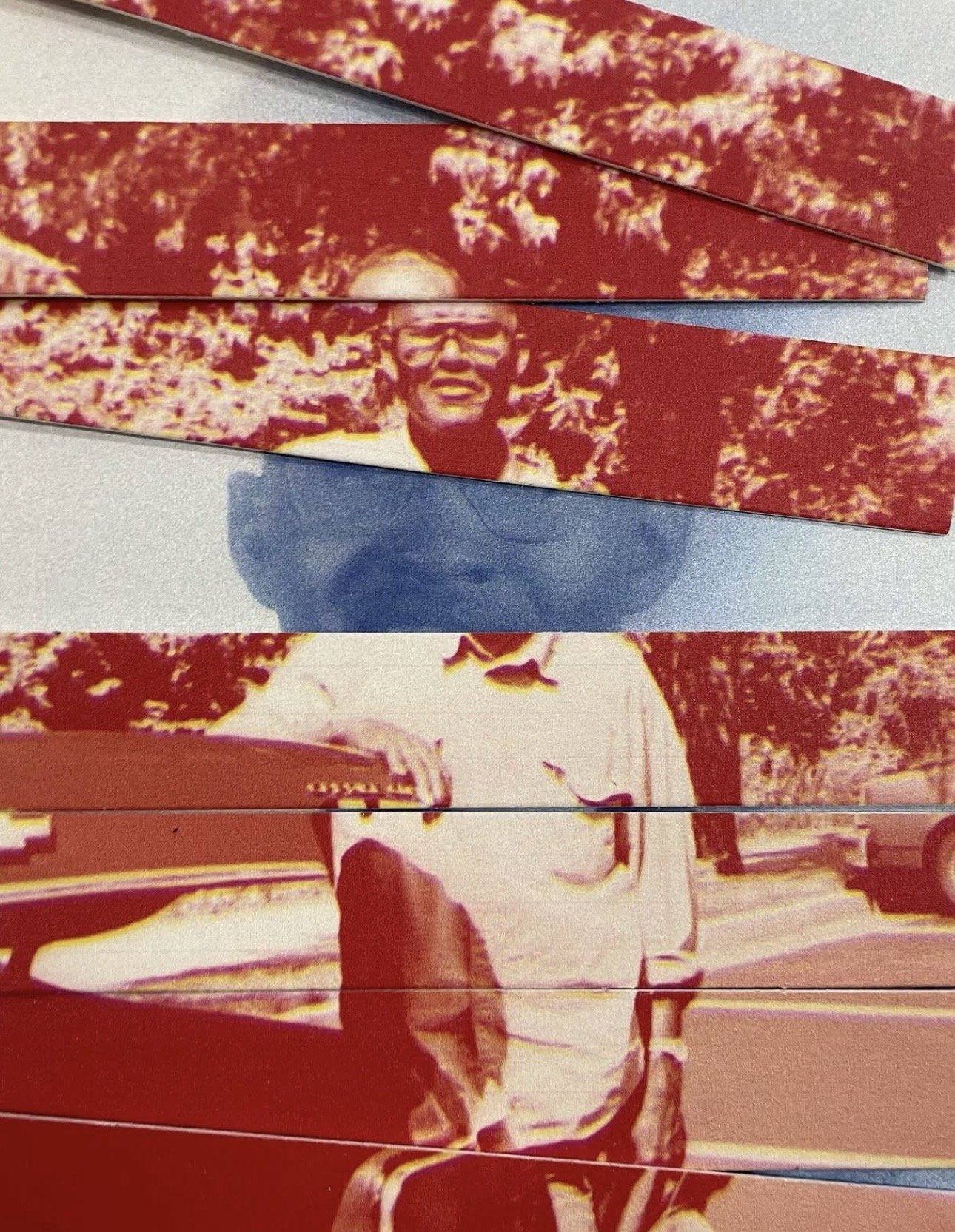
The answer depends on the project, but many of my recent works explore memory, nostalgia, and remembrance. I'm particularly interested in how Black people are represented and remembered. Too often, Black experiences are presented as a single narrative, when in reality they're incredibly diverse and nuanced. Through my work, I hope to contribute to a broader visual archive of Black life and culture. Ultimately, I want people to see themselves in the work. Whether through shared memories, family histories, or personal experiences, I hope the work creates opportunities for connection and reflection.
HOW HAS YOUR BACKGROUND OR CULTURE INFLUENCED YOUR WORK ?
My upbringing influenced both how I see myself and how I approach creativity. Growing up, I moved around quite a bit, and being creative became one of the ways I connected with people and established a sense of identity wherever I was. That experience gave me a certain fearlessness when it comes to experimentation. I've never felt confined to a single medium or style because creativity has always been my way of exploring and understanding the world. As a Black American who grew up in the Midwest before moving to the East Coast, I was exposed to many different communities and perspectives. That openness and curiosity continue to shape my work today. My practice is also rooted in the pride my parents instilled in me regarding Black American history and culture. I hope my work contributes to that ongoing story while honoring those who came before me.
-Adam Easterling
WHAT ACCOMPLISHMENT'S ARE YOU MOST PROUD OF?
Recently, I completed the busiest and most ambitious period of my artistic career. Within a single month, I produced the largest works I'd ever made for my first solo exhibition, created work for the Black Zine Fair, traveled to see my work included in a museum exhibition, and then immediately began producing work for another group exhibition all while maintaining a full-time job. Looking back, I'm proud not only of the work itself, but of my ability to bring so many projects to life simultaneously. It was a reminder of how much can be accomplished through persistence, planning, and belief in your vision.
ARE THERE ANY ROUTINES, RITUALS OR HABITS THAT HELP GROUND YOUR CREATIVE PRACTICE?
Going for walks and runs has always been one of the best ways for me to reset creatively. Being outside, especially around trees and nature, helps me get out of my head and creates space for new ideas to emerge. I also revisit older work when I'm searching for direction. Looking back at previous projects often reveals connections or ideas that I hadn't fully explored. More recently, I've been learning music production. Sketching out a song can provide the same creative spark as visual art and often helps me approach my work from a different perspective.
WHICH PEICE IN YOUR PORTFOLIO BEST REPRESENTS WHO YOU ARE AS AN ARTIST?
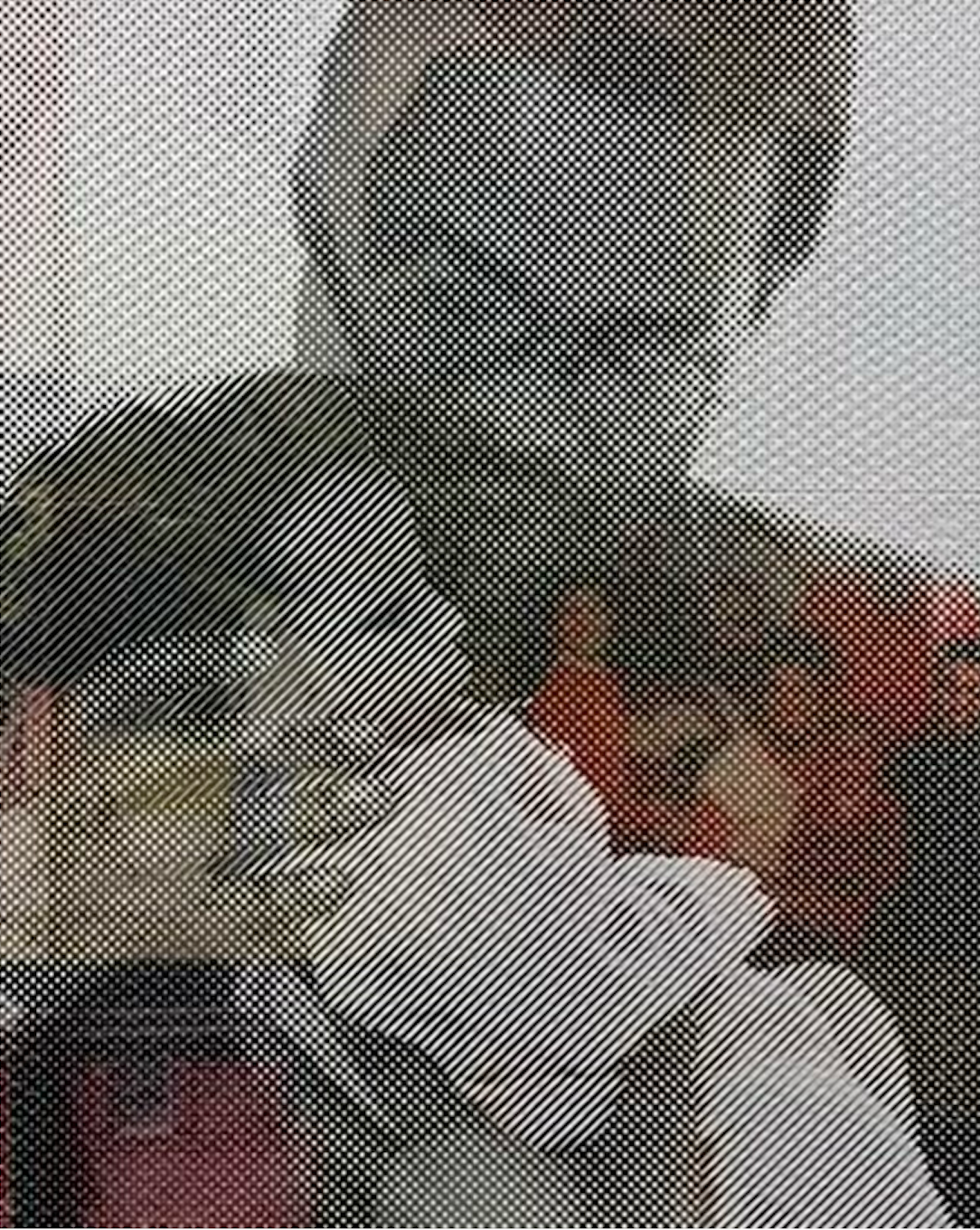
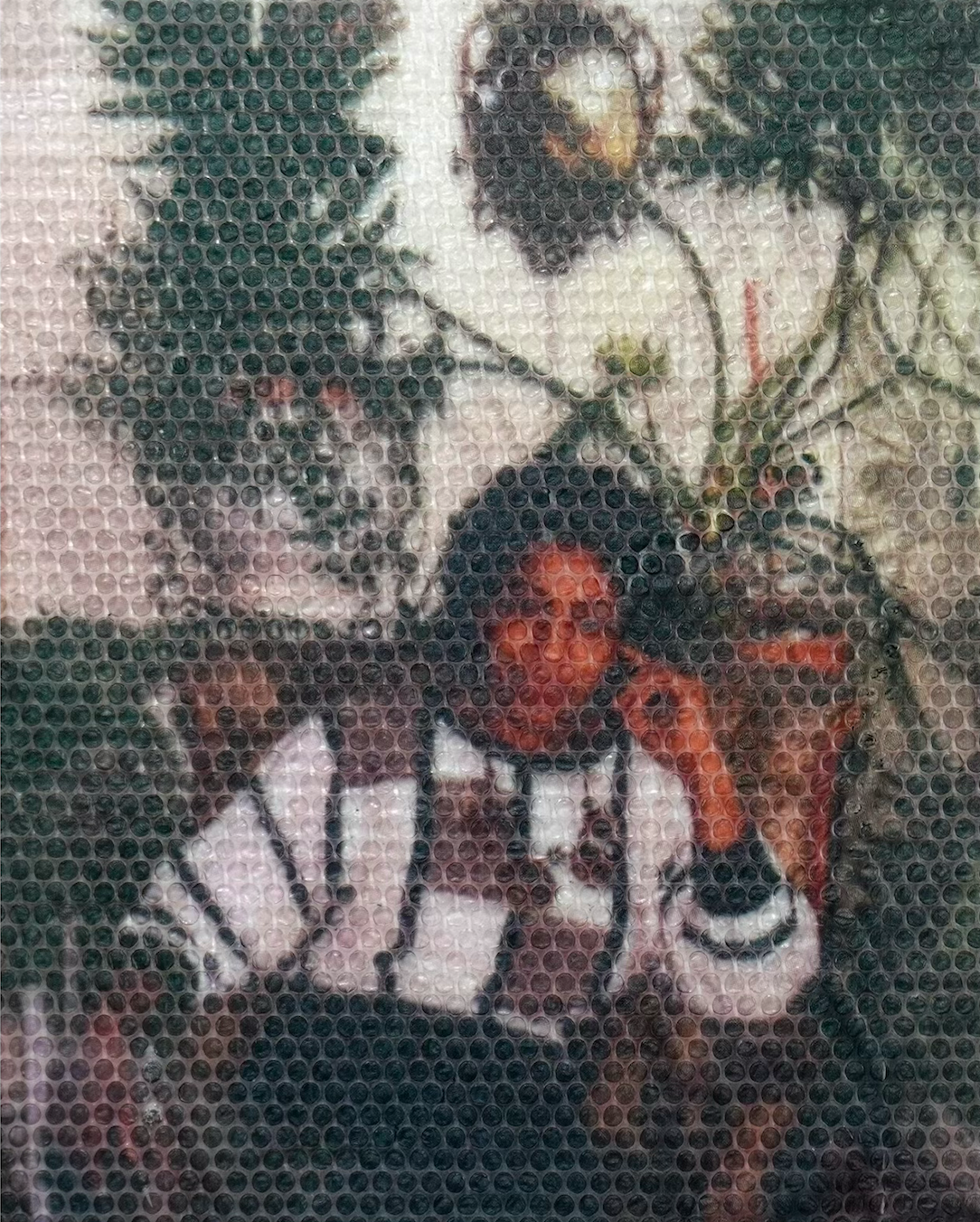
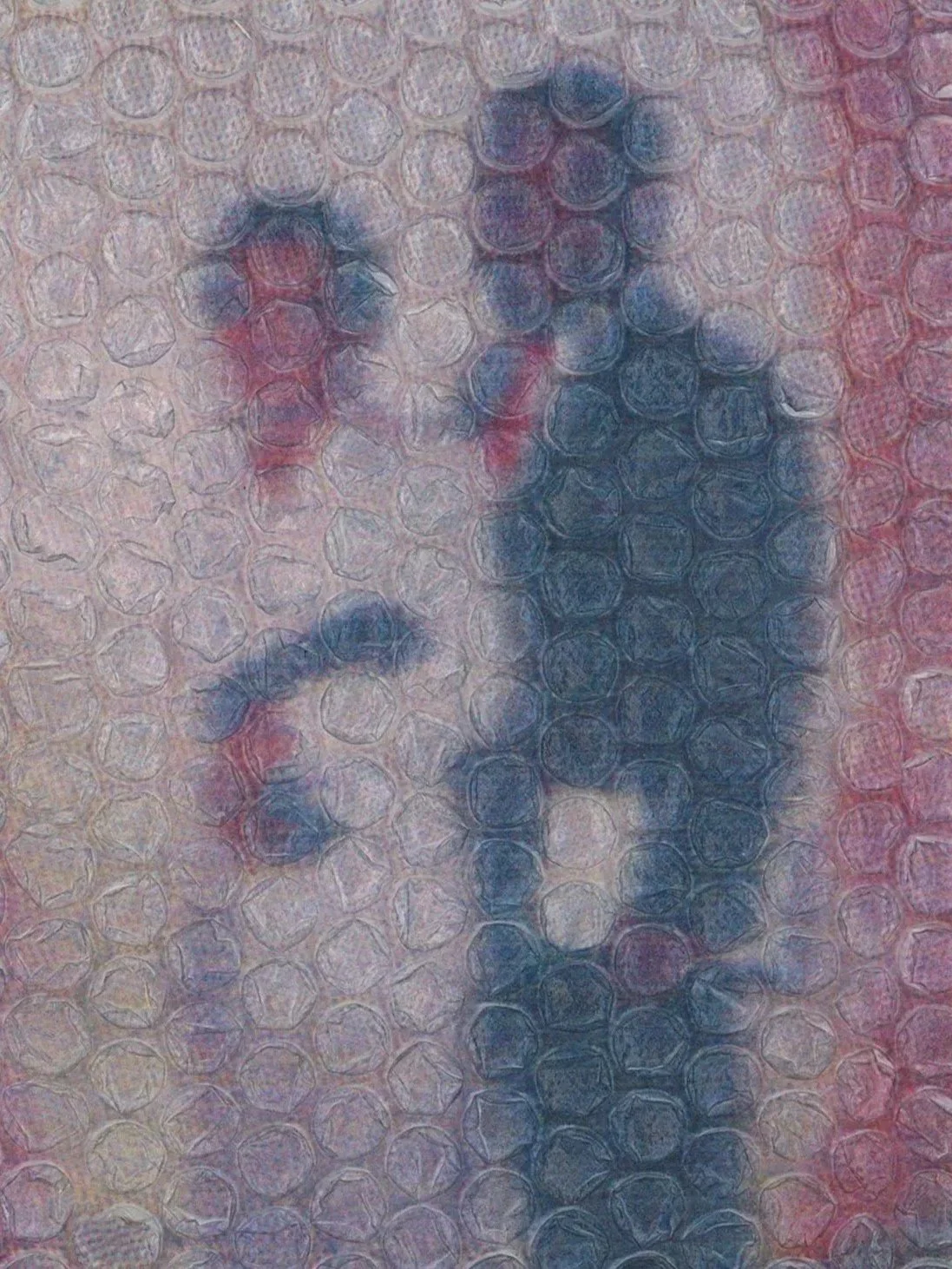
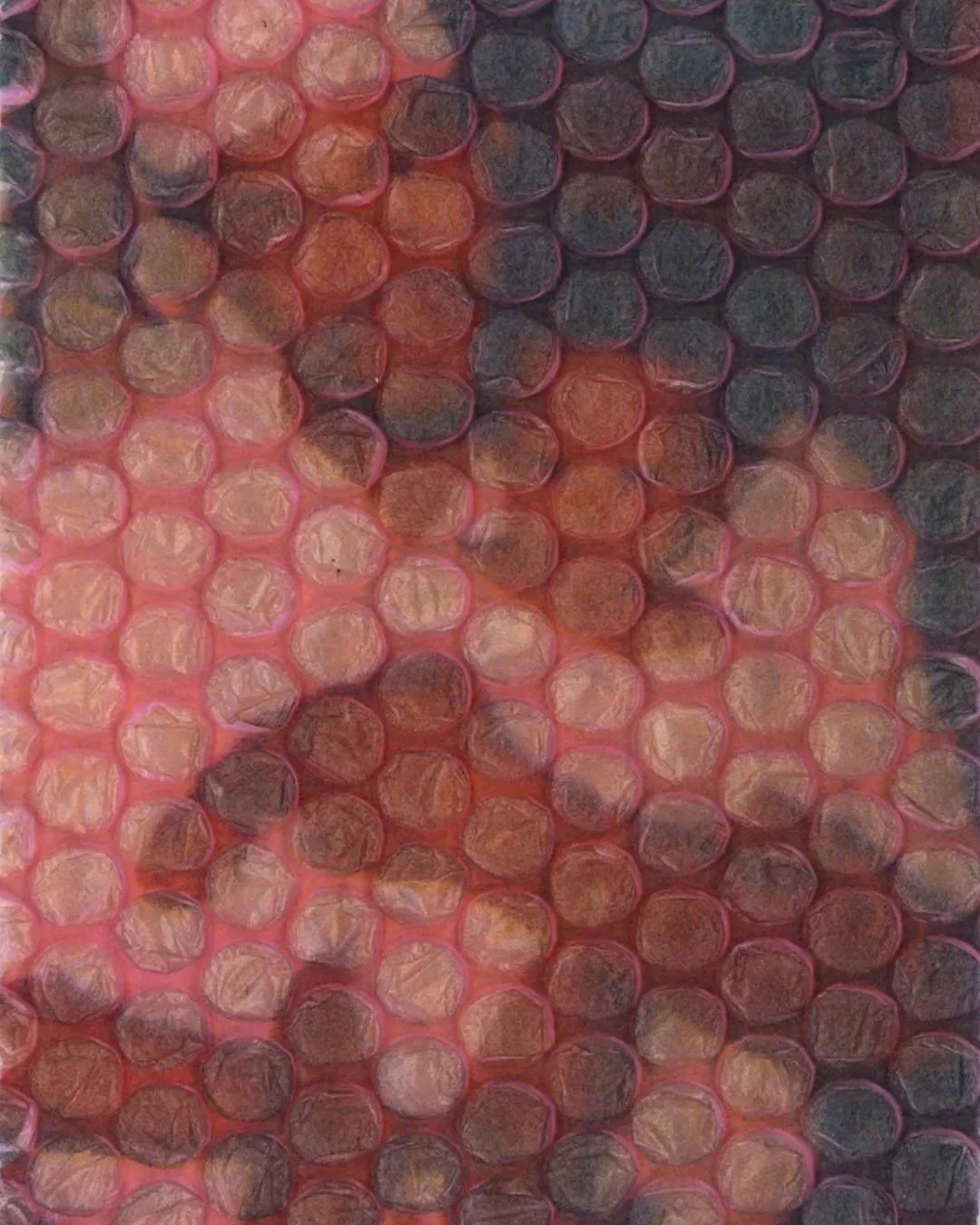
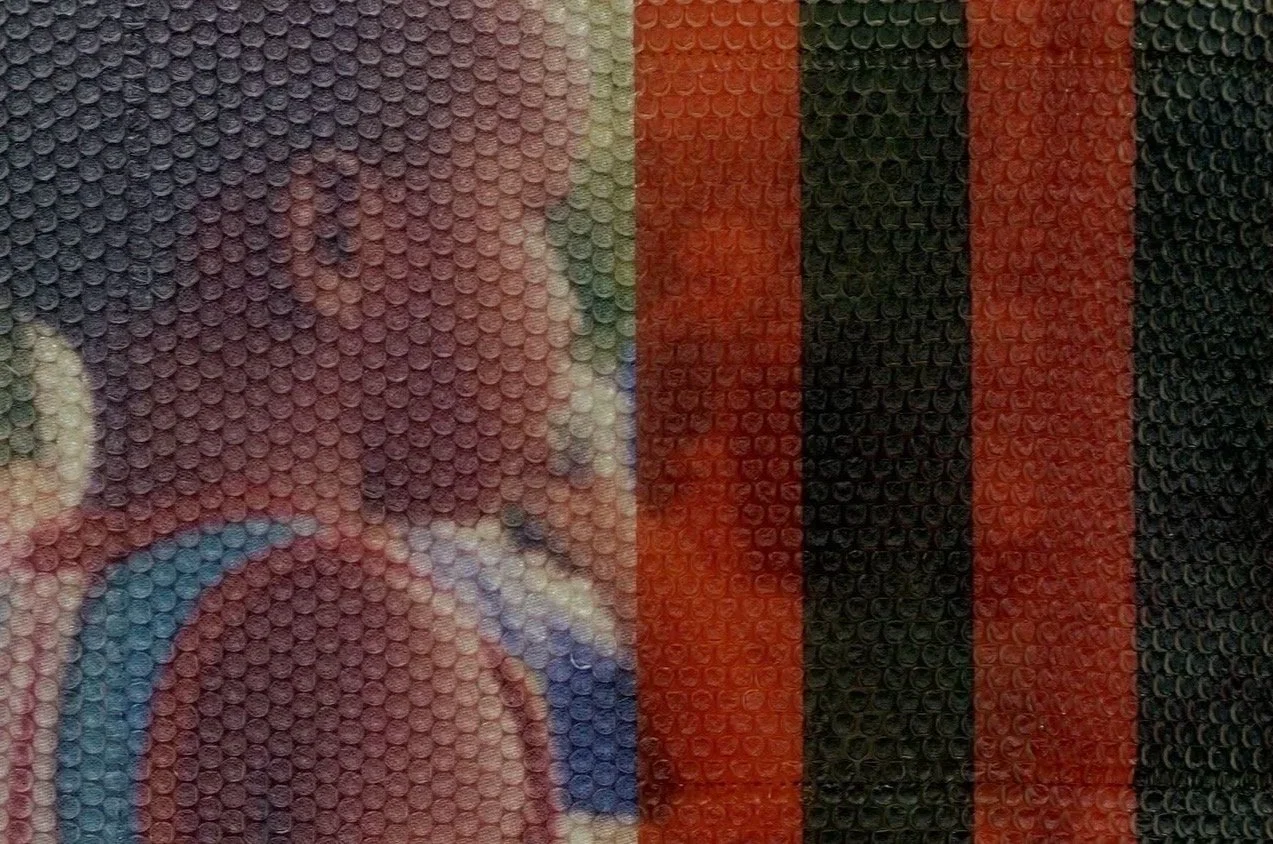
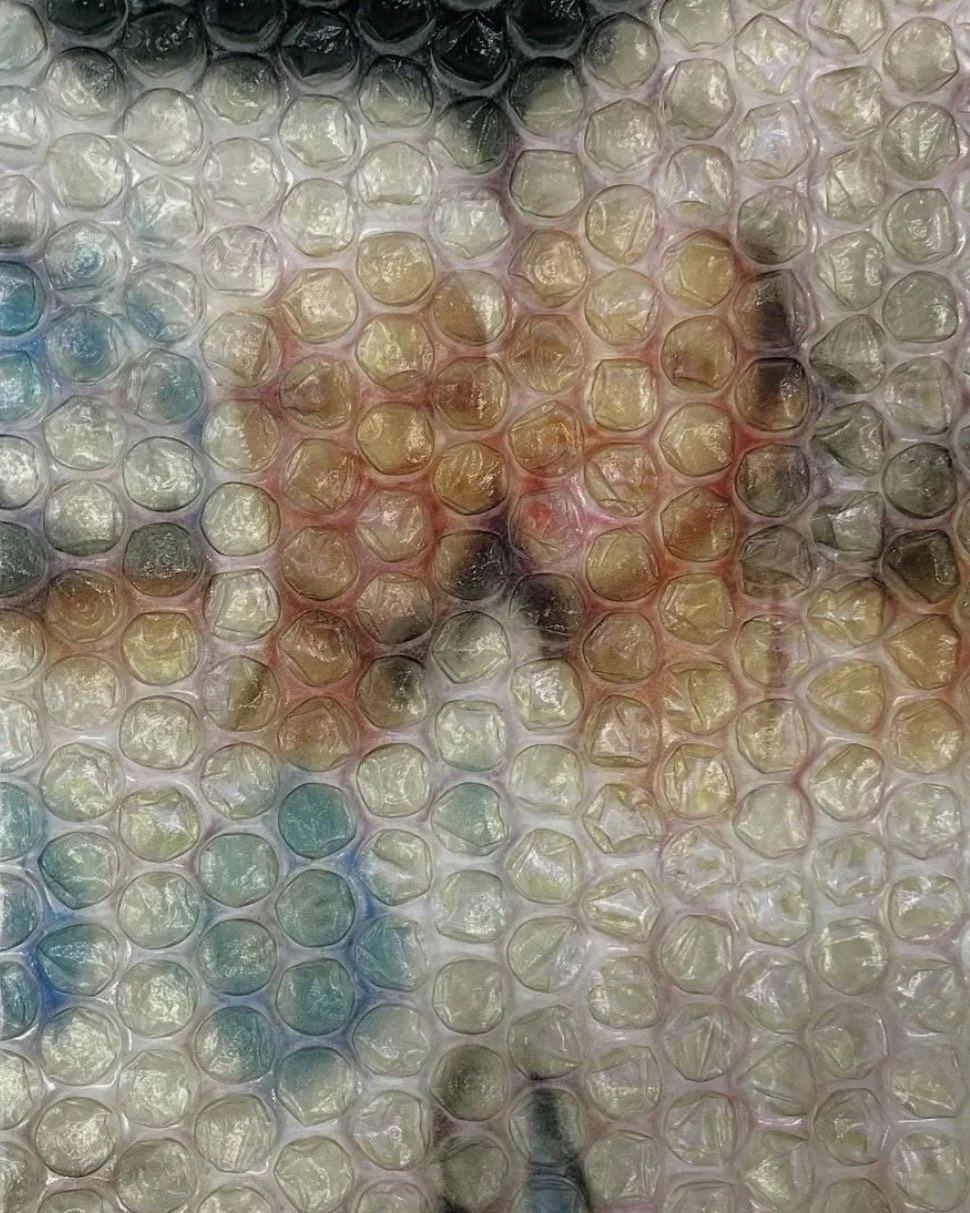
At this moment, I would choose Remember Me (Malcolm) from my recent solo exhibition. The work is a 4-by-6-foot double-sided bubble wrap light box and represents a culmination of many different skills I've developed over the years. It combines my interests in memory, archival imagery, material experimentation, and fabrication. More importantly, it was one of the first works I've made that truly felt like the realization of an idea exactly as I imagined it. Seeing people engage with it and hearing their interpretations reinforced my belief that art becomes most interesting when it creates space for multiple readings and experiences.
HOW HAS YOUR CULTURAL HERITAGE SHAPED THE WAY YOU SEE AND CREATE ART?
I was introduced to Black art, history, and culture from a very young age. My parents made sure I understood the importance of Black American contributions and the struggles and achievements that shaped our history. That foundation continues to influence my work. I feel a responsibility to contribute to the ongoing documentation of Black life and culture while honoring the generations that came before me. Much of my work is rooted in preservation, memory, and the idea that everyday experiences deserve to be remembered.
WHAT ROLE DOES STORYTELLING AND AUDIENCE ENGAGEMENT PLAY IN YOUR WORK?
Storytelling is central to my practice. Much of my recent work involves recontextualizing archival imagery and bringing together fragments from different moments in time. I'm interested in creating works that feel like memories familiar but layered, personal yet open to interpretation. Audience engagement is important because I want viewers to actively participate in the experience of the work. Many of my recent pieces change depending on the lighting conditions, the viewer's distance from the work, or whether internal lights are activated. These shifts create multiple ways of experiencing the same image. I'm interested in making work that rewards close looking and encourages people to spend more time with it.
ARE THERE ARTISTS, WRITERS, MUSICIANS, OR RADICAL THINKERS WHO DEEPLY INSPIRE YOU?
Malcolm X, Angela Davis, Aaron McGruder, Emory Douglas, Aretha Franklin, Kelela, Theo Parrish, and MIKE are all people whose work has influenced me in different ways. What connects them for me is their commitment to expressing ideas honestly and fearlessly. Whether through music, writing, visual art, or activism, they've each created work that is deeply personal while also speaking to larger cultural conversations. That balance is something I aspire to in my own practice.