Into the World: Fola Adeleke
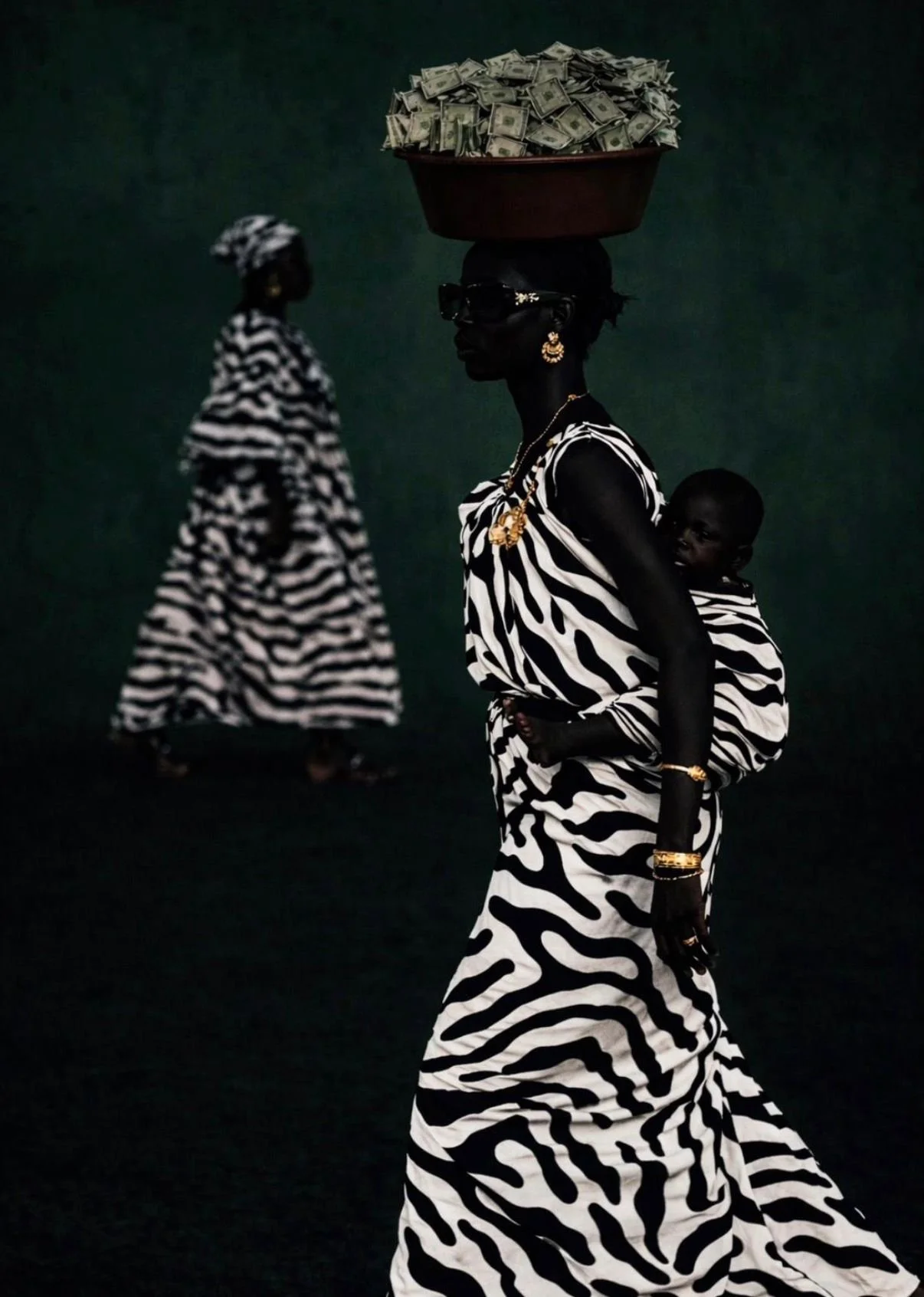
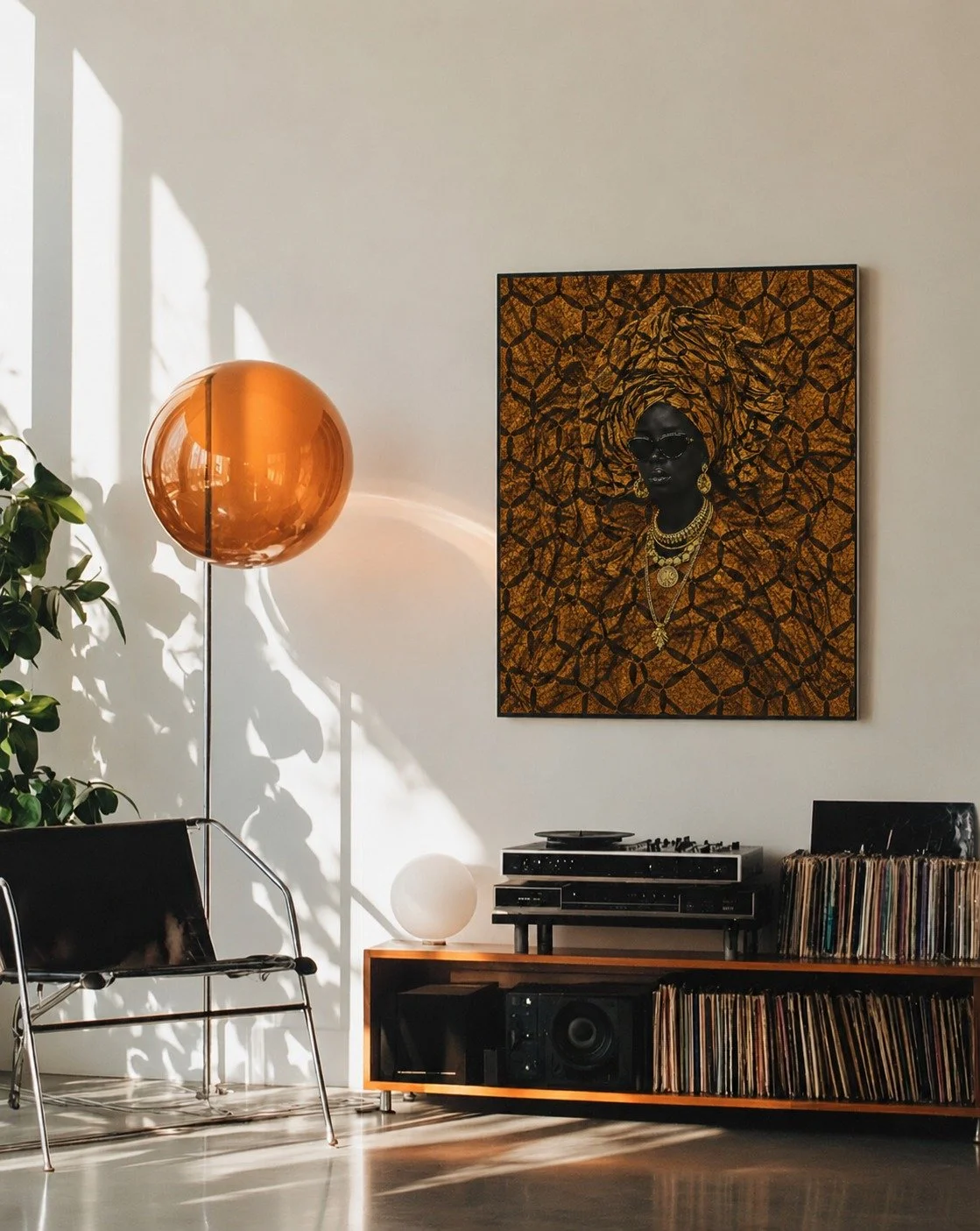
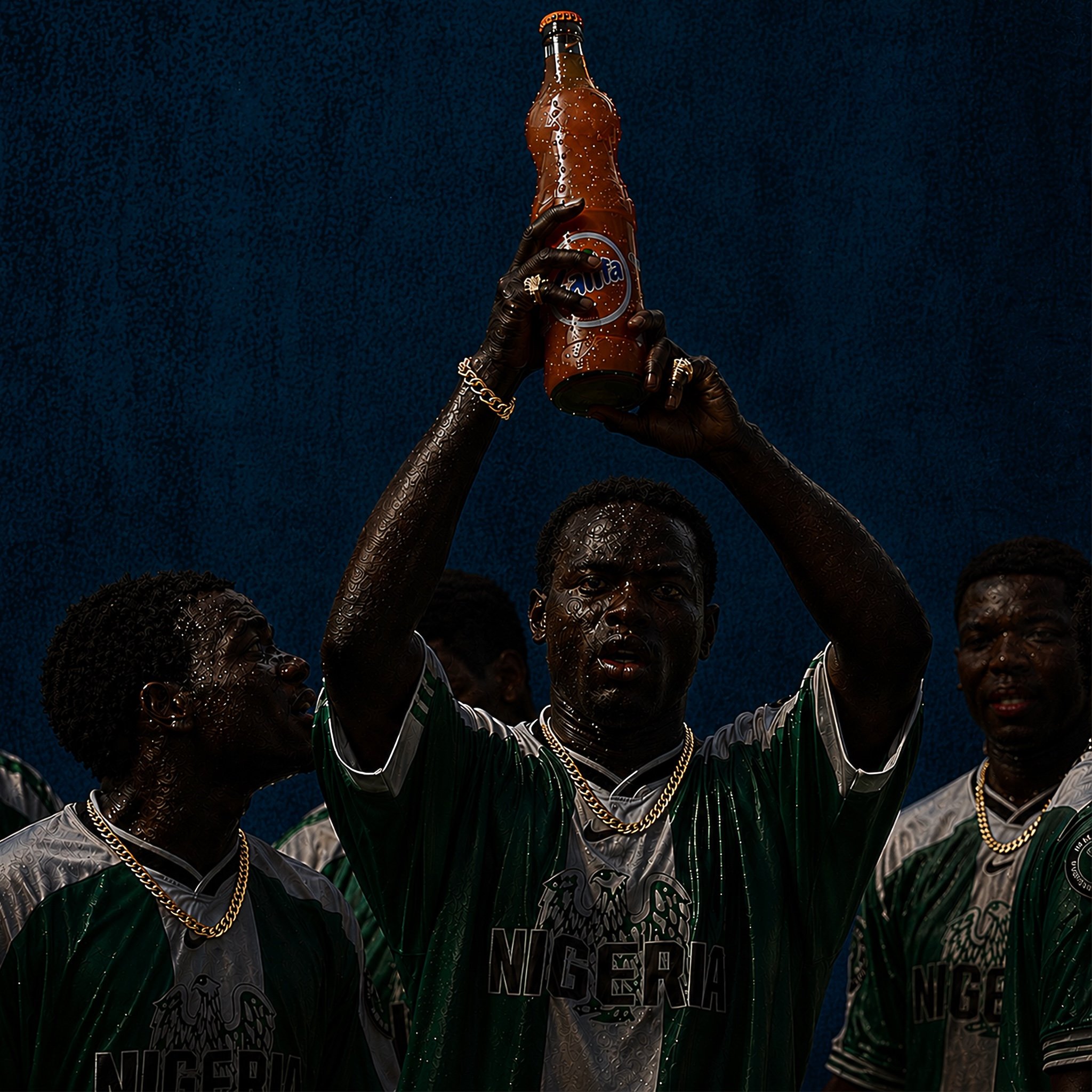
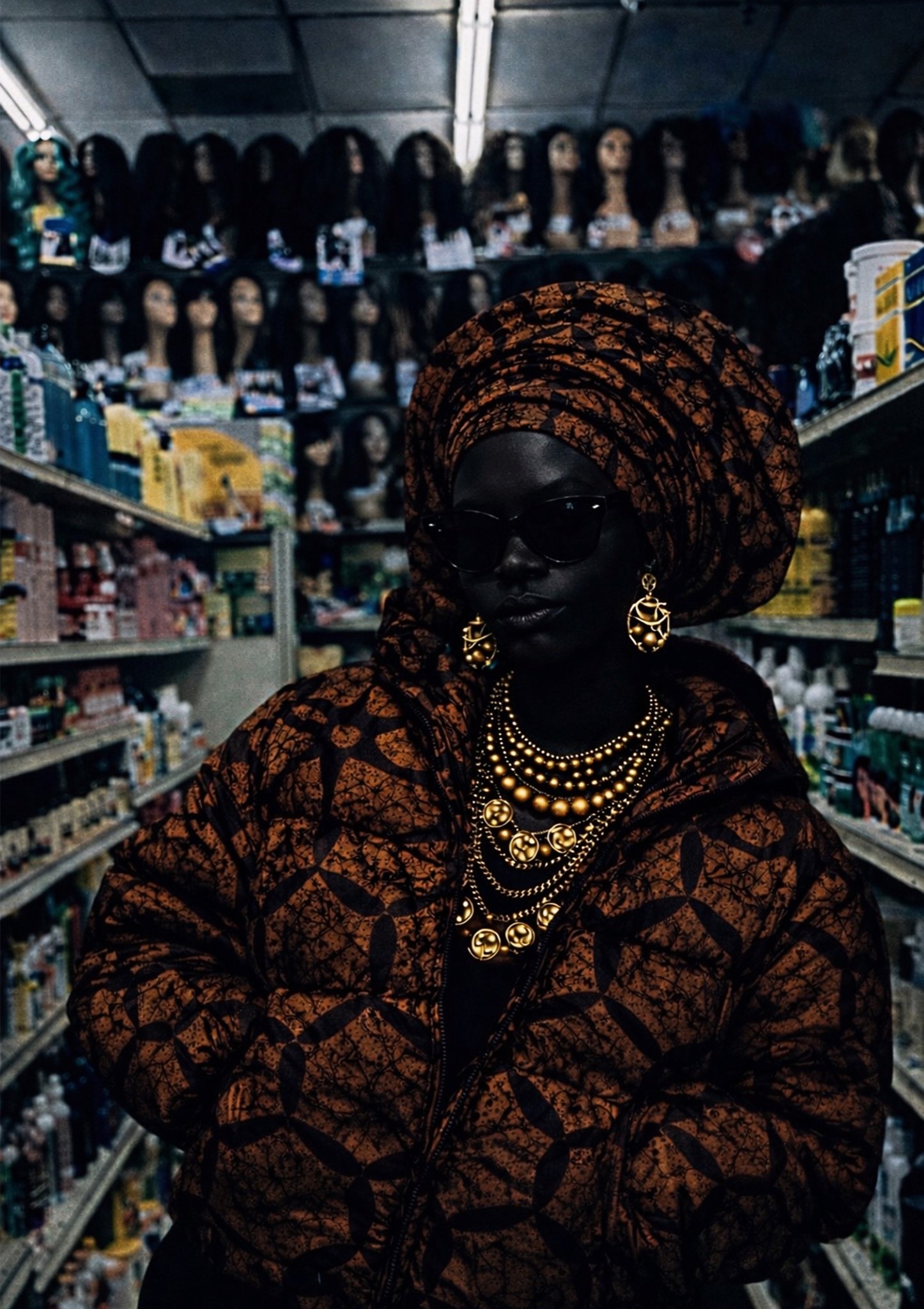
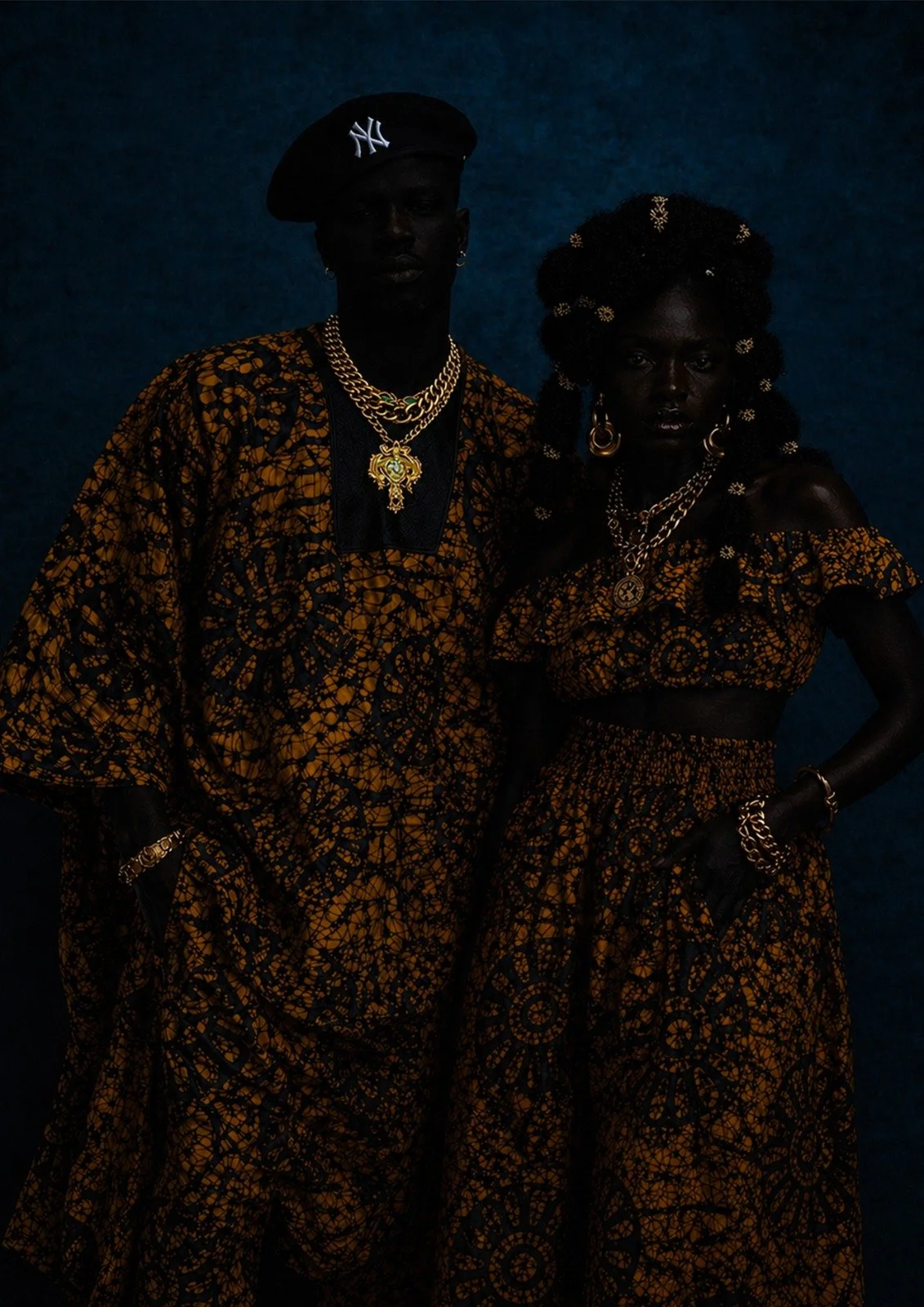
Fola Adeleke’s work exists at the intersection of memory, identity, and cultural preservation. A Nigerian-British mixed media artist and designer raised in East London, Adeleke creates layered visual narratives that draw from the rhythms of African life, diaspora experiences, and the communities that shaped him. Through portraiture, symbolism, fashion, and digital composition, his work becomes both an archive and a reimagining one that honors the past while envisioning new futures.
What makes Adeleke’s practice particularly compelling is his commitment to storytelling as a form of connection. Whether reflecting on childhood memories, the strength of African communities abroad, or the importance of representation, his work is driven by a desire to make people feel seen. Influenced as much by figures like Kobe Bryant, Kanye West, and Virgil Abloh as by traditional artistic canons, he approaches creativity with a multidisciplinary lens that challenges conventional boundaries between art, design, culture, and lived experience.
In the following interview, Adeleke speaks candidly about fatherhood, Afrofuturism, cultural identity, and the responsibility of creating work that resonates beyond aesthetics. Rooted in both nostalgia and possibility, his reflections reveal an artist deeply invested in celebrating African culture, reclaiming narratives, and inspiring future generations to imagine what is possible when they finally see themselves reflected in the story.
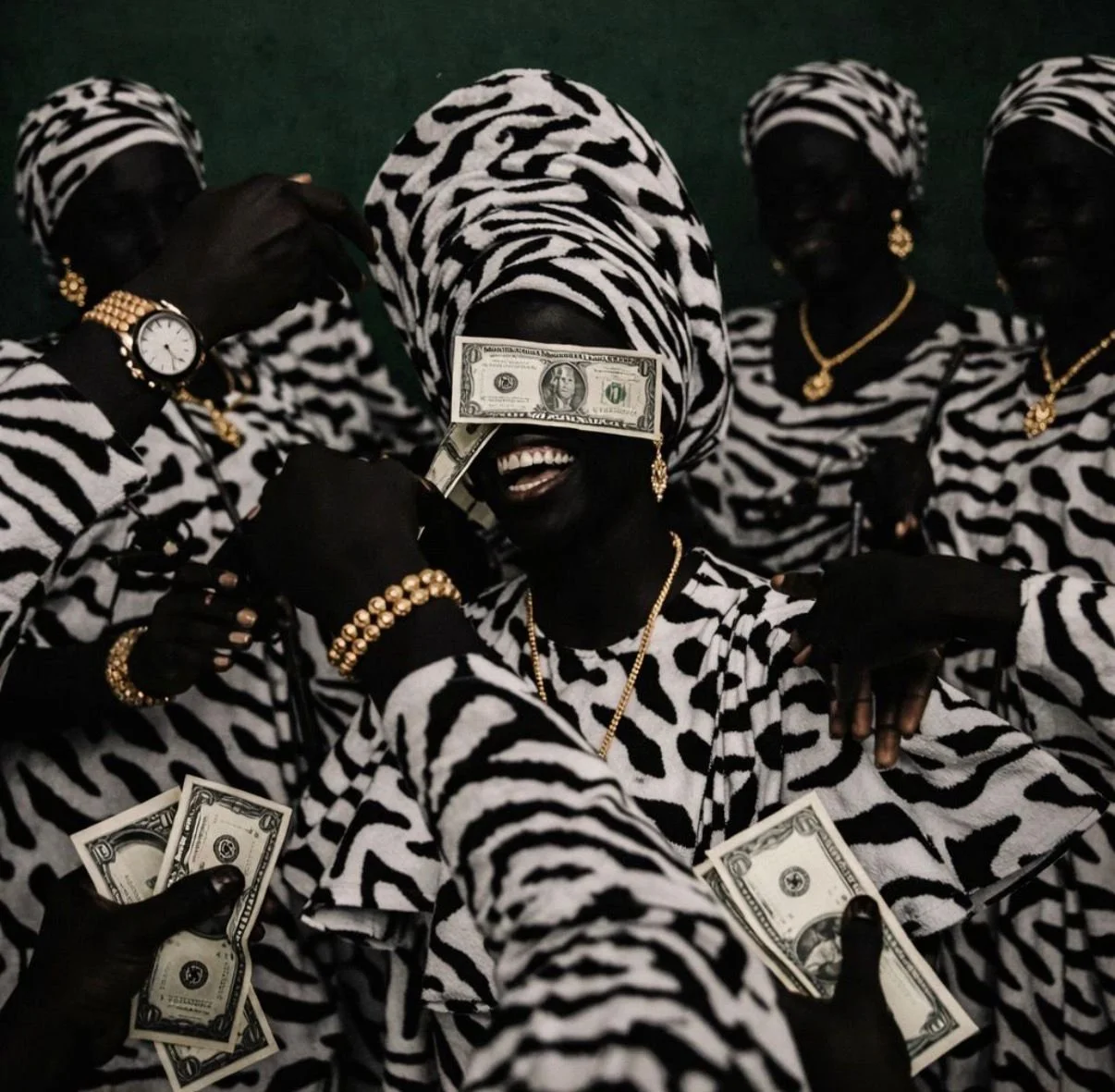
“My why is my family, my friends, and trying to set an example and make everyone understand what's possible, I want to be the example of, to show people what's possible.”
— fola adeleke
WHAT IS YOUR WHY? WHAT DRIVES YOUR CREATIVITY?
My why is my family, my friends, and trying to set an example and make everyone understand what's possible, I want to be the example of, to show people what's possible. I grew up, wanted to be Arnold Schwarzenegger when I was a kid, because I was always big, so I wanted to be Arnold Schwarzenegger, but I realised I couldn't be Arnold Schwarzenegger because I haven't seen a black Arnold Schwarzenegger at the time. So then my next thing was to be Apollo Creed, because he looked like me. And I didn't know at the time, yeah, I didn't know at the time, it was just a thing of not seeing someone that looks like you, it meant that maybe it wasn't possible. I hope that's my why, I want to make everyone that looks like me understand it's possible, because they see me do it, and that's my immediate family.That's my friends, or anyone else that I think feels like they want to strive, and they look like me. Once they see me do it, it gives them the hope that it's possible, that's my strongest why.
WHAT INSPIRED YOU TO BECOME AN ARTIST?
I tend to think of myself as a creative because there are so many different things I do beyond my practice, and my background is in design. What has always driven me, though, is storytelling.
I've always been fascinated by the idea that there is a concept behind everything. So much of my work is shaped by my own experiences and the things I've gone through, but I also recognize that millions of people have faced similar challenges, triumphs, and moments of growth. I want to tell those stories to remind people they aren't alone and to help us better understand ourselves and each other.
I think we've become very individualistic at times and forget how connected our experiences really are. That's what pushes me to share my concepts through striking visuals. Whether the stories are rooted in adversity, joy, or self-discovery, my goal is to create work that resonates with people through storytelling, connectivity, and an underlying element of fashion.
WHO ARE YOUR BIGGEST ARTISTIC INFLUENCES ?
My biggest artistic influences are probably unconventional. Before fashion, I played basketball at a high level, represented England, and spent time in music, so inspiration came from different walks of life.
Kobe Bryant taught me intensity, discipline, and the importance of being intentional with every detail. Kanye West showed me that creativity often comes from taking something that already exists and reinterpreting it in a new way. Virgil Abloh was the first person in fashion who made me feel that someone who looked like me could reach the highest levels of the industry. His consistency, design language, and ability to build a recognizable aesthetic had a huge impact on me.
Those three figures remain my biggest influences and continue to shape how I approach my work today.
WHAT MESSAGES OR EMOTIONS DO YOU WISH TO CONVEY TO THE MASSES THROUGH YOUR WORK ?
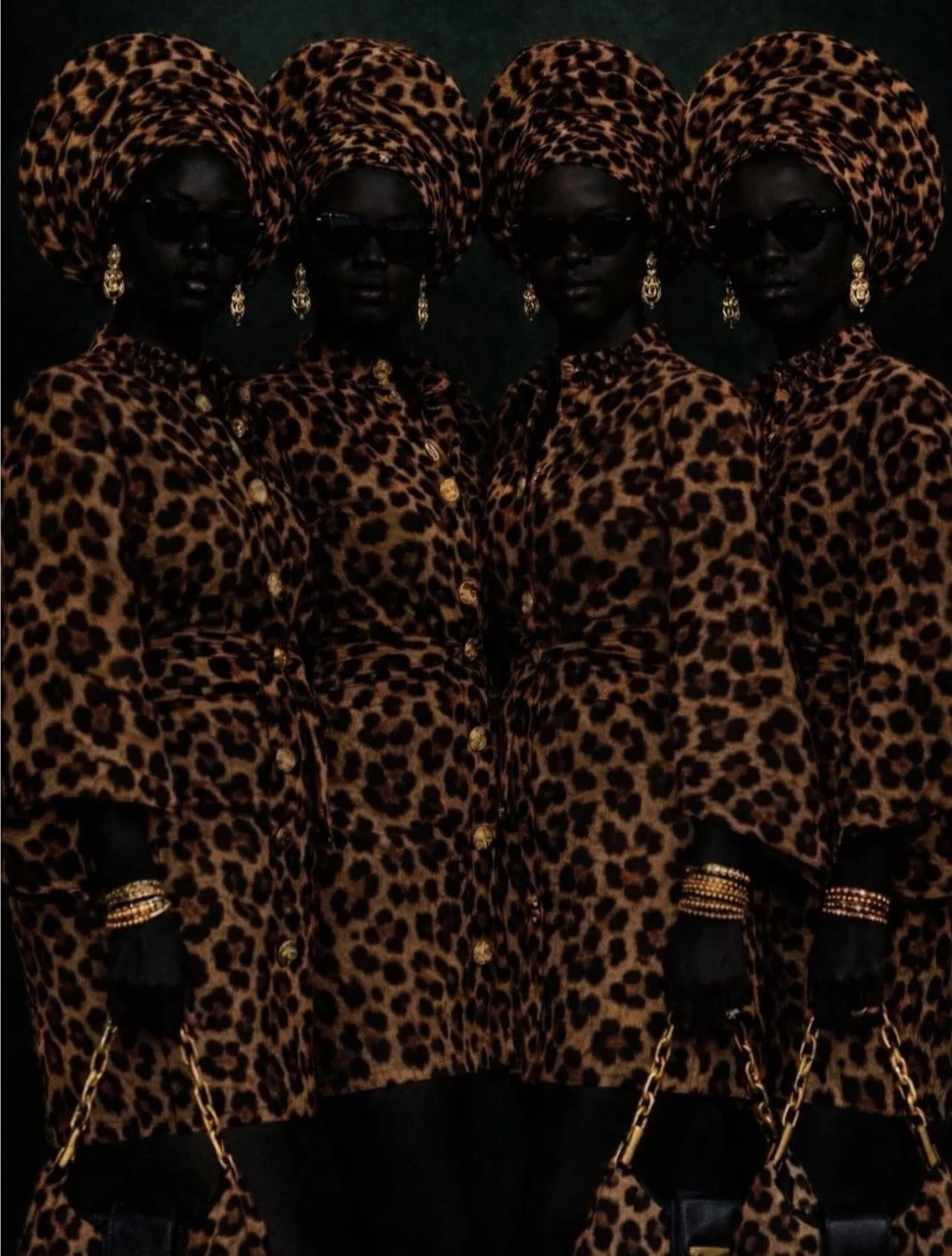
My biggest goal is to shine a light on the beauty of African culture and help normalize it. Many Africans living in Western countries navigate a dual identity. We celebrate our culture at home through our food, music, traditions, and gatherings, but often feel pressured to leave those parts of ourselves behind in public spaces.
Through my work, I want to show that we don't have to separate the two. I want to celebrate African culture, uplift African women, and encourage people to be proud of who they are, not just at home or with family, but everywhere they go.
HOW HAS YOUR BACKGROUND OR CULTURE INFLUENCED YOUR WORK ?
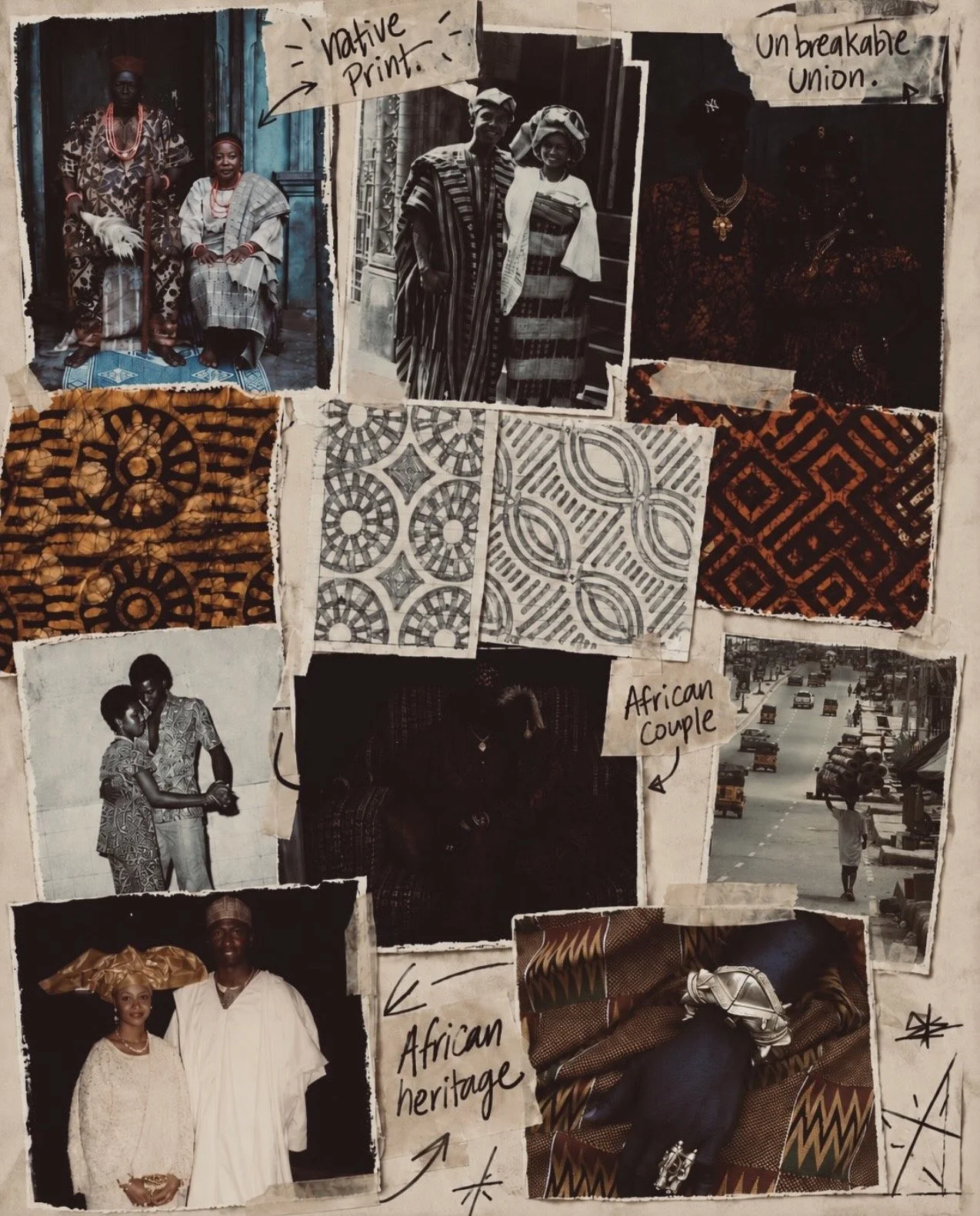
My upbringing has shaped everything I do. A big part of my work is rooted in the nostalgia of growing up Nigerian in the UK and the strong sense of community that came with it. When African families first arrived, communities were smaller, tighter-knit, and built on supporting one another.
Those memories of connection, belonging, and shared experiences continue to influence my work today. I'm constantly trying to bring that spirit to life and reimagine it through the stories I tell.
WHAT ACCOMPLISHMENT'S ARE YOU MOST PROUD OF?
If I'm honest, I'm brutally honest and just off the top of the head, my biggest accomplishment I'm proud of is being a father. I have two boys, they are a huge part of my why and I don't think any individual achievement would ever surpass that accomplishment of being a father or trying to be the best father. I possibly can. I take it very seriously. I grew up without a father and I know how difficult it is for a boy to turn into a man without a father. And that is one of my biggest missions is to kind of be the best I can within that. But at the same time, I know that because I didn't have a father, I have no manuscript on how to properly achieve something. If I could really achieve some of the things I would want to achieve with it, I might be rambling but long and short, being a father is my biggest accomplishment and I don't think anything will surpass that.
HOW DOES AFRO FUTURISM INFLUENCE THE WAY YOU IMAGINE, CREATE, OR RECLAIM NARRATIVES THROUGH YOUR WORK?
My work is influenced by the merging of three perspectives: the past, the present, and the future. I’m drawn to combining nostalgic and historical references with modern fashion and a hopeful vision of what’s possible.
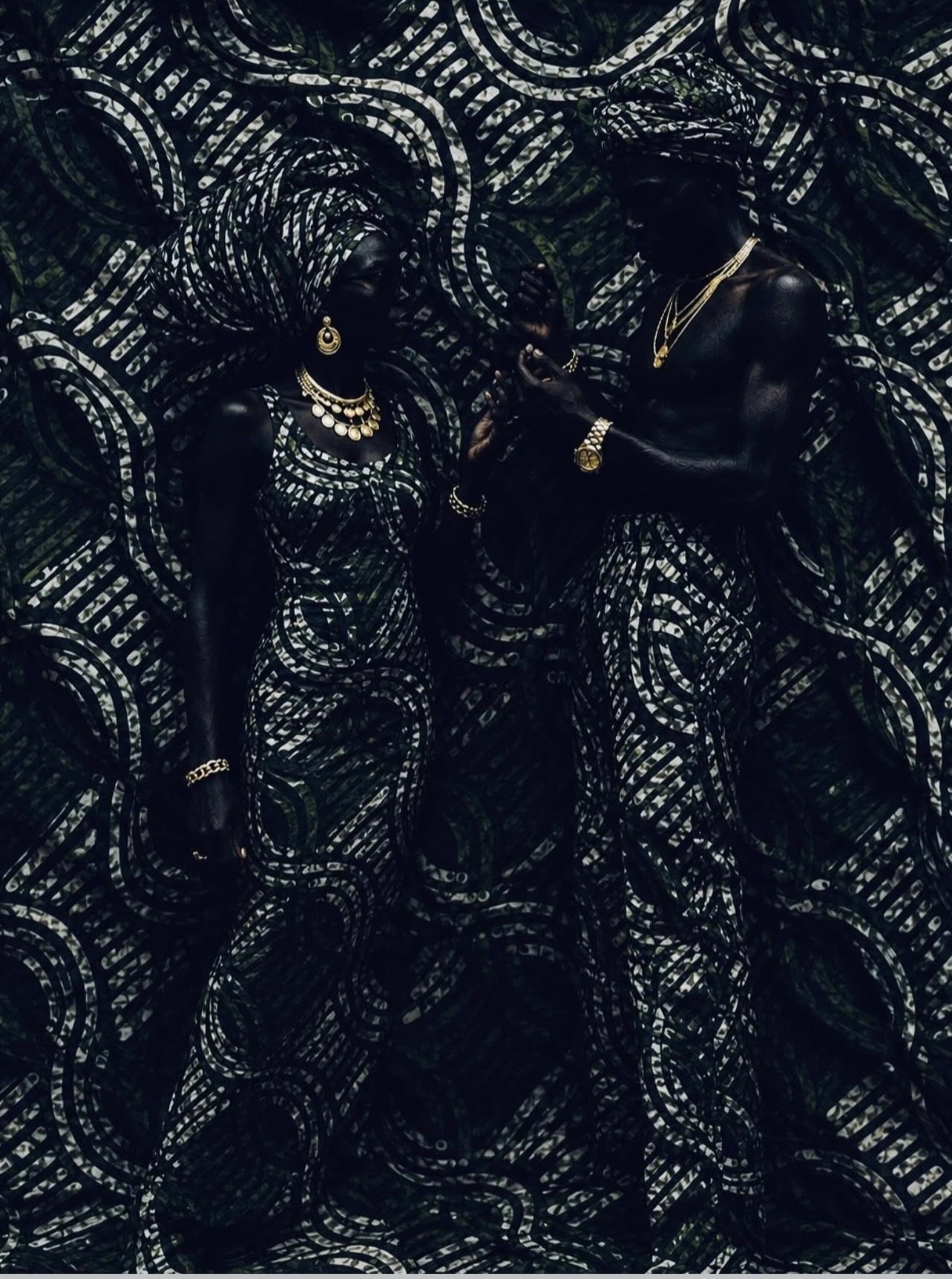
A big part of my practice is exploring African history and cultural traditions that existed before religion became such a dominant influence. I try to bring those stories and symbols into contemporary contexts, helping to normalize and celebrate them through a modern lens. I believe history is part of our superpower, when we understand where we come from, we’re better equipped to move forward.
ARE THERE ANY ROUTINES, RITUALS, OR HABITS THAT HELP GROUND YOUR CREATIVE PRACTICE?
Okay, there's two. There's one is I'm an early riser and after I work out early in the morning and I get those rushes of endorphins, one of the things I always do is manifest and give thanks. Understand that I'm blessed and I'm appreciated and I give thanks for my creativity. I don't take it lightly that I have visions of storytelling through creativity. I am very blessed. I always try and remind myself of that because not everyone is given this. That's one and the other one is having conversations with people and understanding the different perspectives of being a different type of human. Whether that's small or short or very dark or very light skin, the angle and understanding of other people's realities also ground my creativity and also give me perspective that I can use in my work.
DO YOU FEEL LIKE AI IS A HELP OR HINDRANCE TO THE ART WORLD?
I see AI as a tool that supports creative evolution rather than hinders it. Like any advancement, it can help people bring their ideas to life more efficiently. For me, creativity has always been about vision and the ability to see something before it exists.
Just as musicians, designers, and creative directors rely on collaborators to execute parts of their vision, AI can serve as another tool in that process. If it helps bring great ideas to life, I think it's worth embracing rather than resisting.
HOW HAS YOUR CULTURAL HERITAGE SHAPED THE WAY YOU SEE AND CREATE ART?
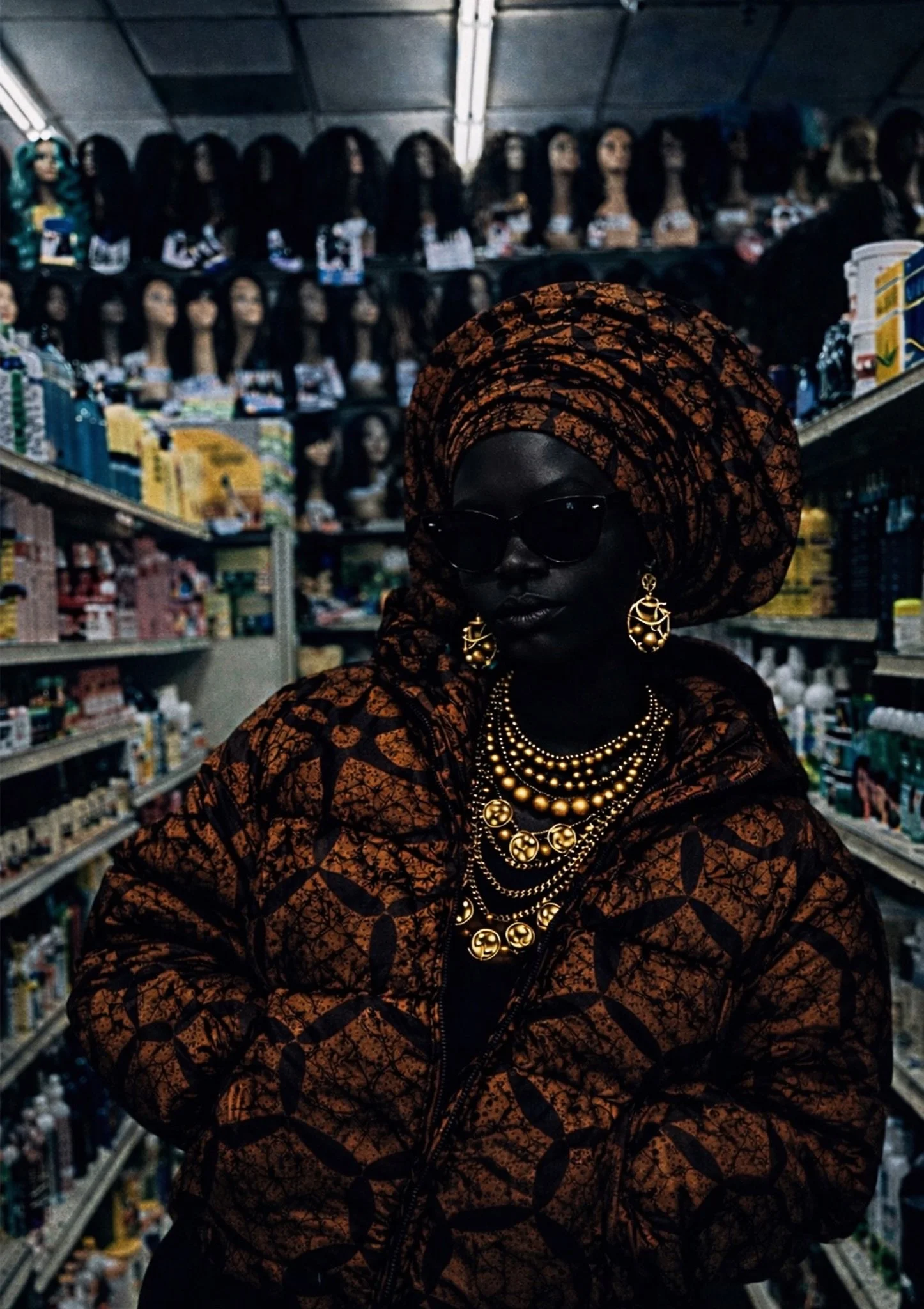
My work is deeply rooted in culture and heritage it reflects it and speaks directly to those who understand it. Some pieces are intentionally layered with cultural signifiers that feel like “if you know, you know,” meaning certain references will only fully land with people from that background.
An example is a piece like If You Know, You Know Sha, which draws from Nigerian language and expression. To some, it may go over their head, but for others, it carries meaning and recognition.
Ultimately, the work is unapologetically cultural. It’s meant to provoke a reaction—whether love or dislike because if it moves people in either direction, it has done its job.
WHAT DOES THE FUTURE LOOK LIKE THROUGH THE LENS OF YOUR CULTURE AND LIVED EXPERIENCE?
This is a good question. I think we are stepping in an era where people are no longer going to follow the normal steps. I think 10, 15 years ago, everything was done in a systematic way. You do A and then you do B and then you do C and then you do D and there was no jumping. There was no, the hierarchy was real. It was all systematic. I think we're entering a realm where people realize there's loads of routes that would allow you to jump and not need to do things in a systematic way.
I think there's more people that are going to understand that. I think there's going to be more people that understand their gifts before wasting 40k on university. I understand that. This is what's for me with the social media landscape of people being influencers and streamers and gamers. You're having a lot more entrepreneurs doing things that they actually appreciate doing instead of having to be forced into a system where it doesn't really benefit them. I think people are in a space now where they prefer freedom over stability because what we know as stability today is no longer that stable.
ARE THERE ARTISTS, WRITERS, MUSICIANS, OR THINKERS WHO DEEPLY INSPIRE YOU?
Influences like Virgil Abloh, Kanye West, Tremaine Emory of Denim Tears, and Jerry Lorenzo have all shaped how I think about storytelling in fashion.
What I admire most is how Tremaine Emory uses Denim Tears to lead with narrative telling bold, unapologetic stories before anything else. I respect how he transforms something as loaded as cotton into a powerful visual statement that confronts history through fashion. Jerry Lorenzo’s Fear of God also stands out for its conviction and identity, built on faith, purpose, and consistency outside of trends.
As a Nigerian, I’m especially drawn to work that reflects cultural truth and lived experience. Across all of them, what resonates with me most is fearlessness using design not just for aesthetics, but to communicate story, identity, and meaning.