Beyond the Surface: Unavailable P.
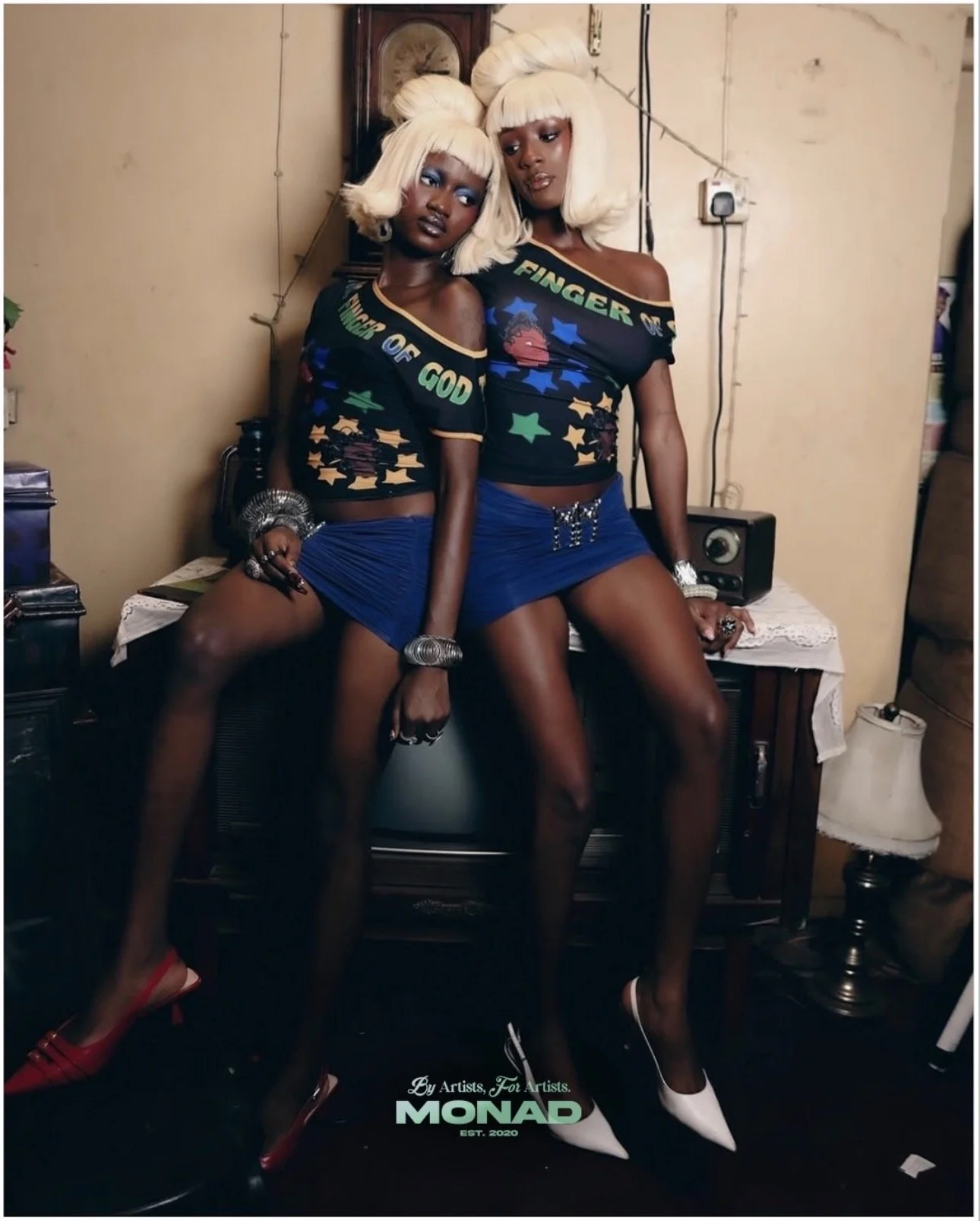
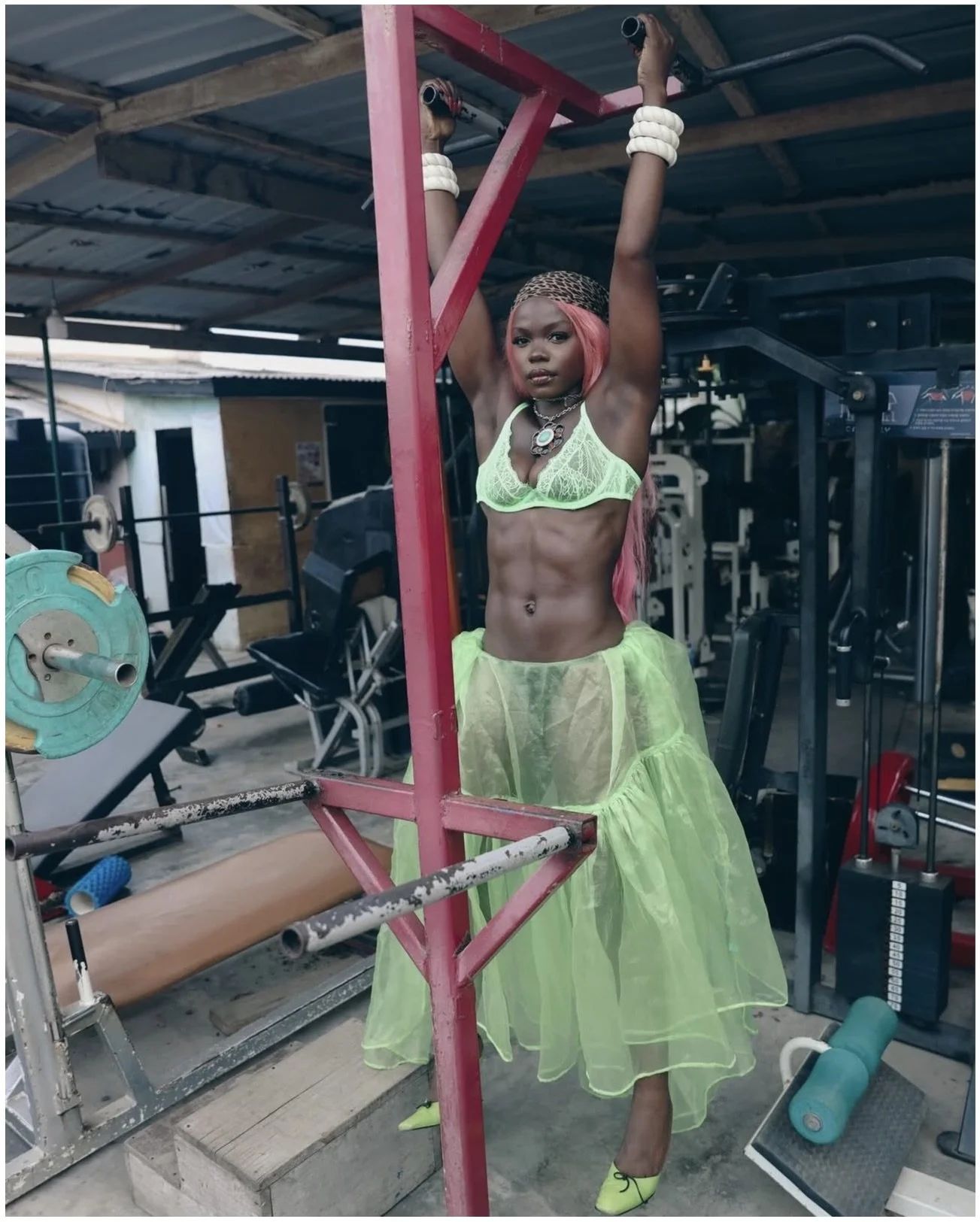
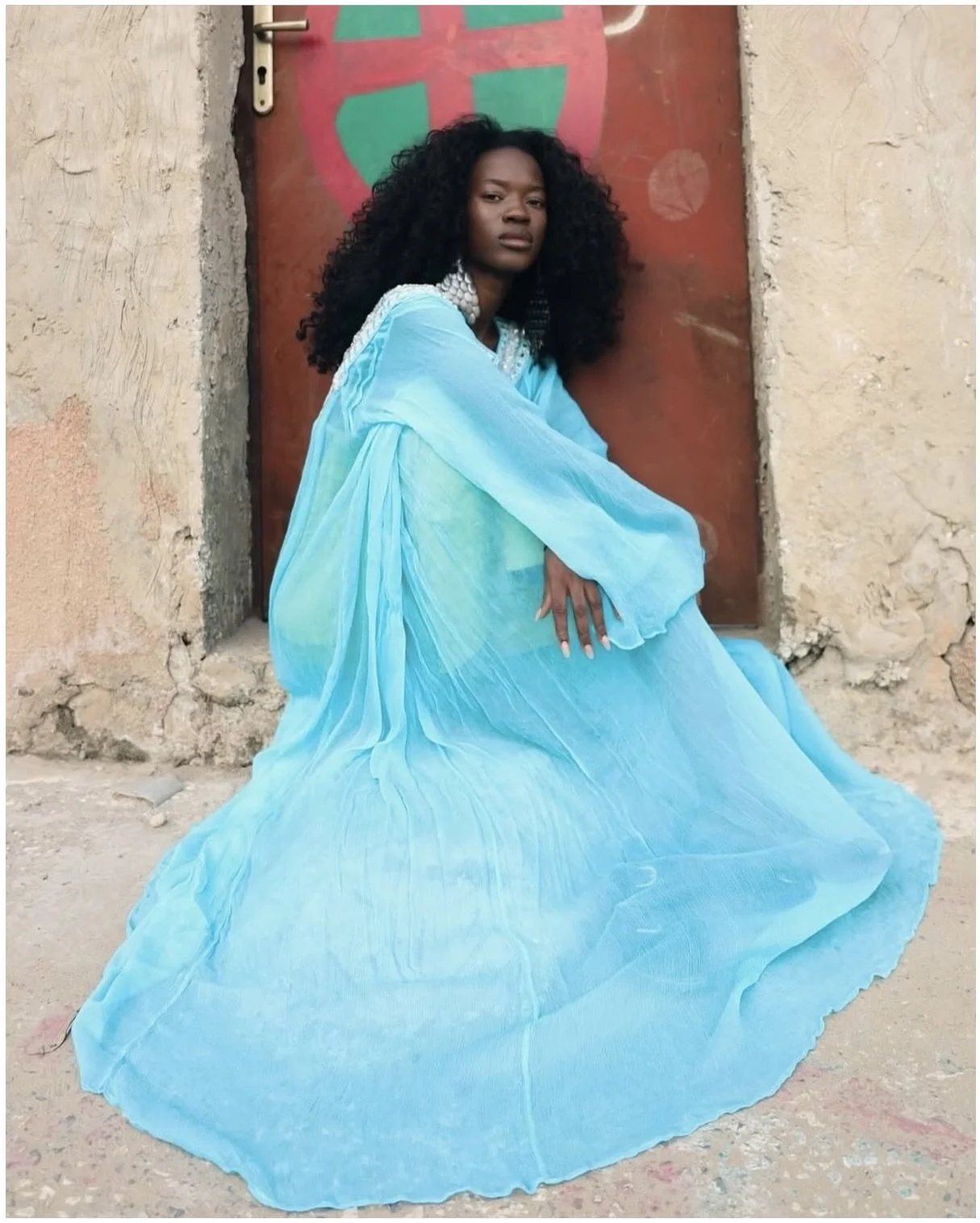
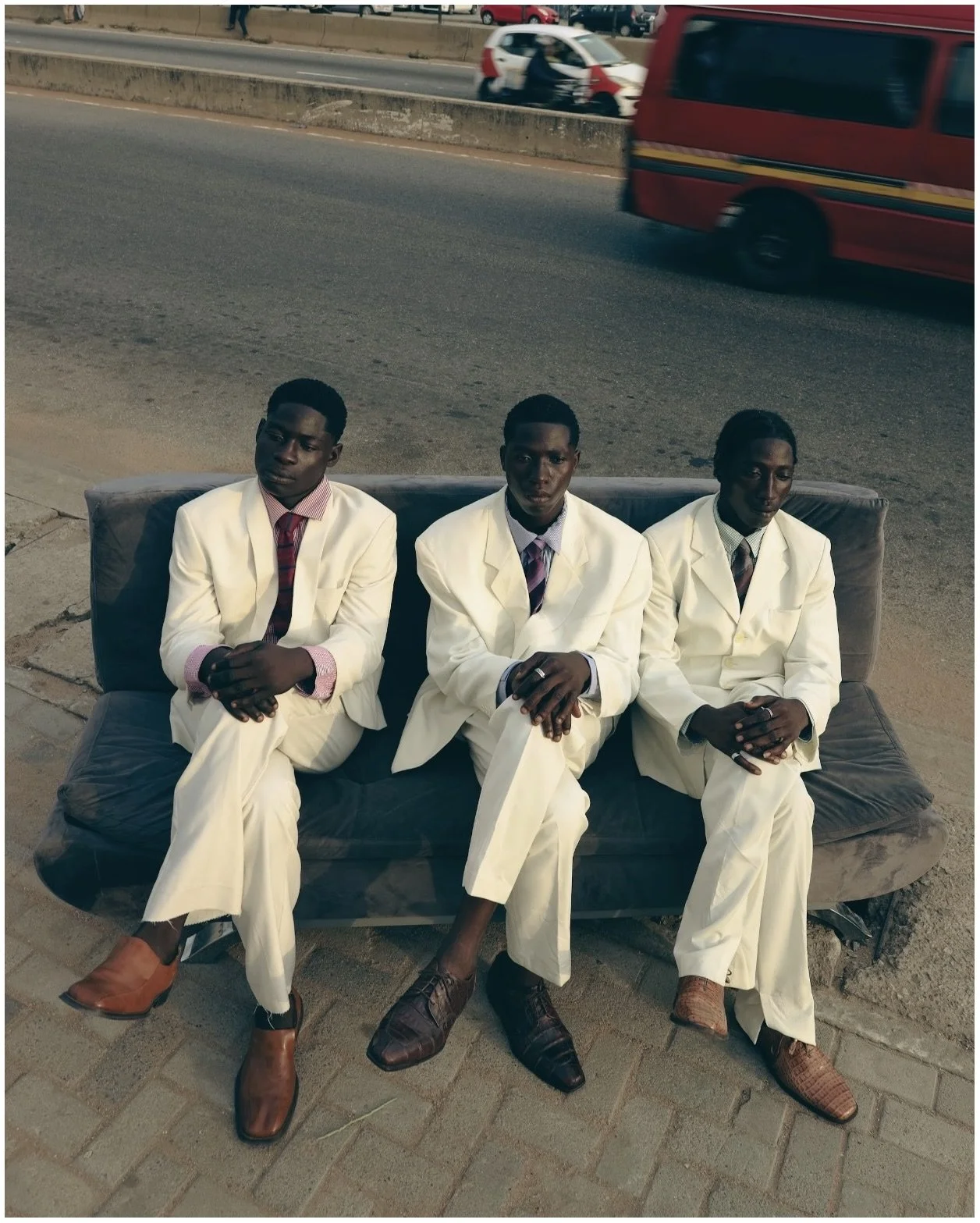
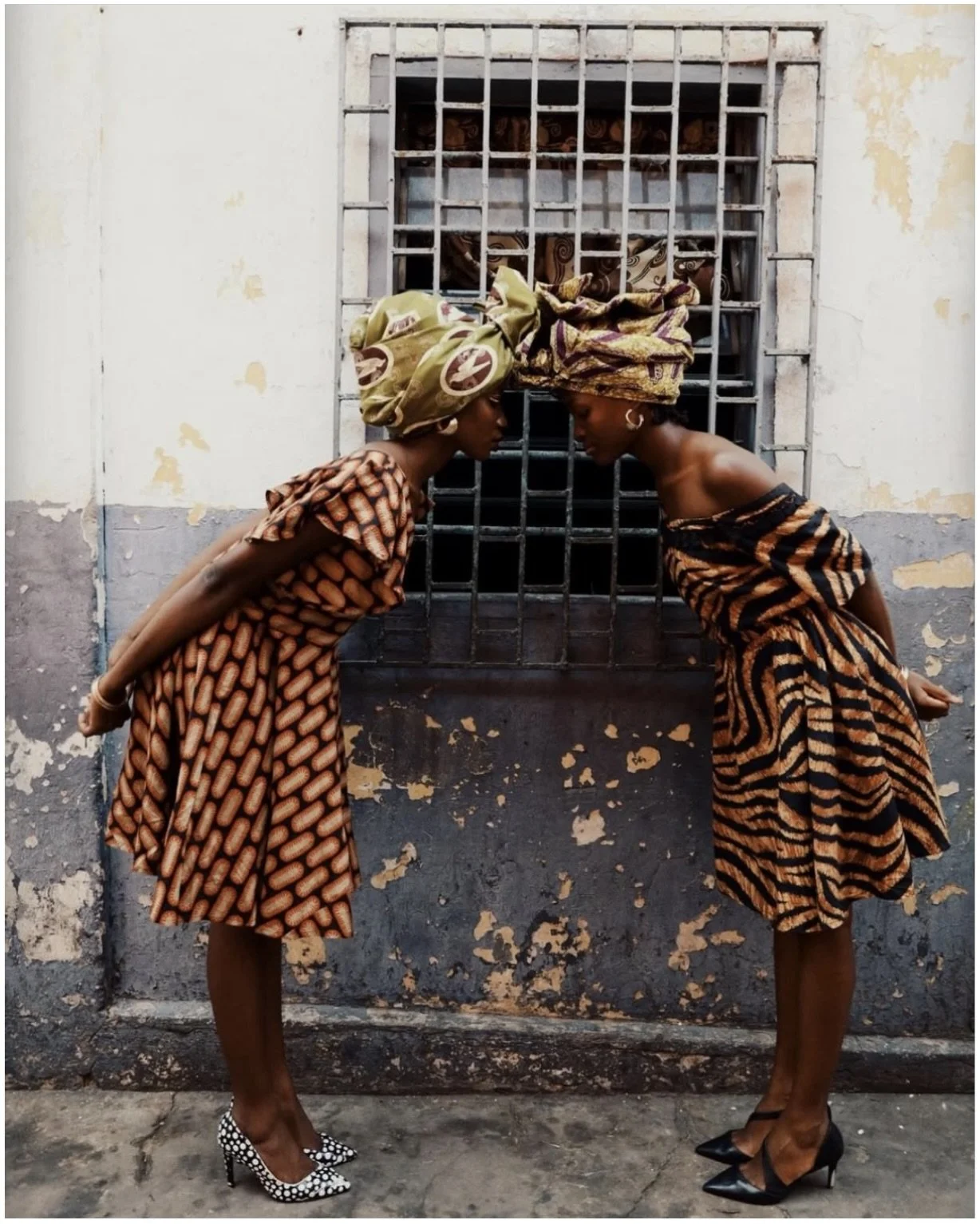
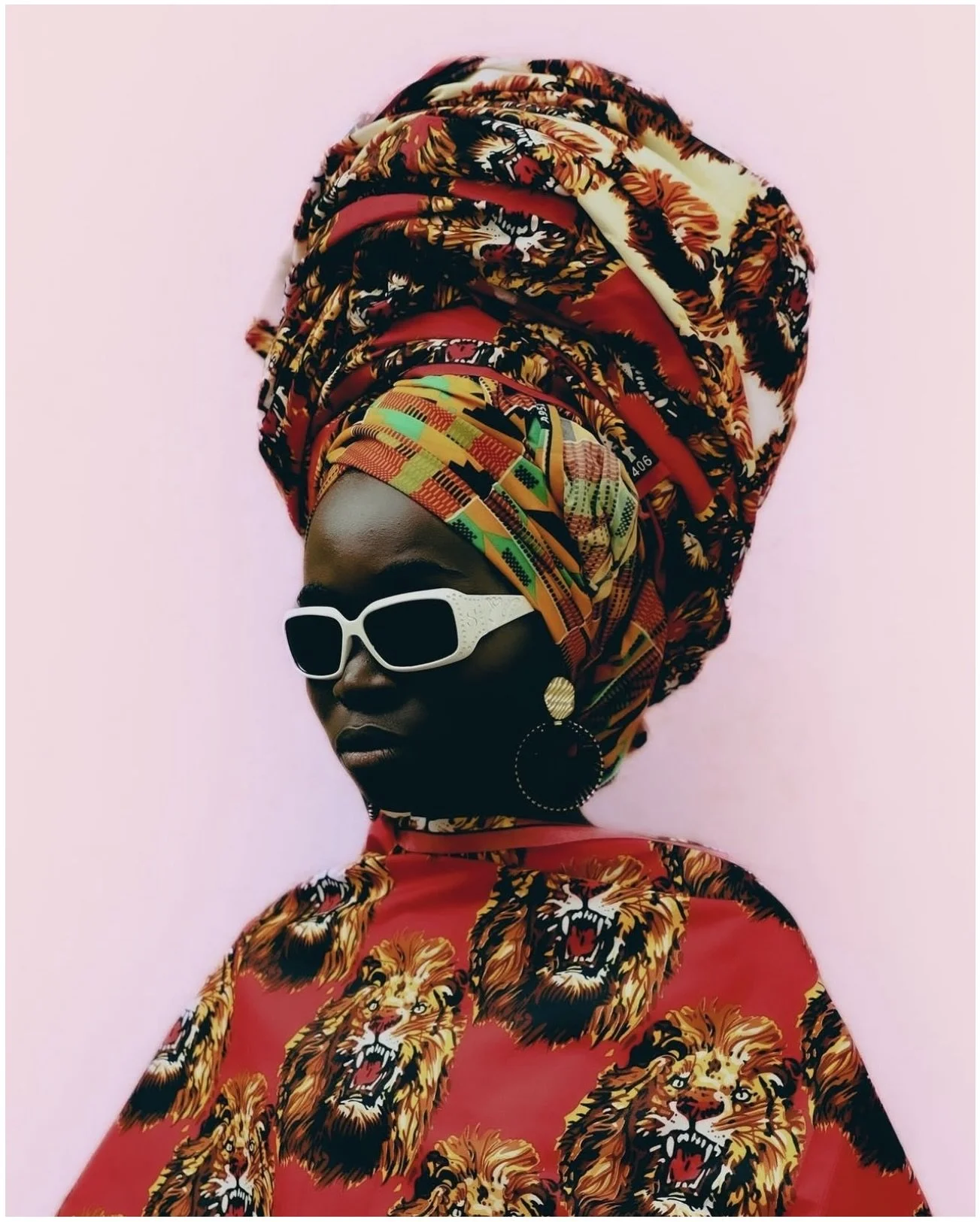
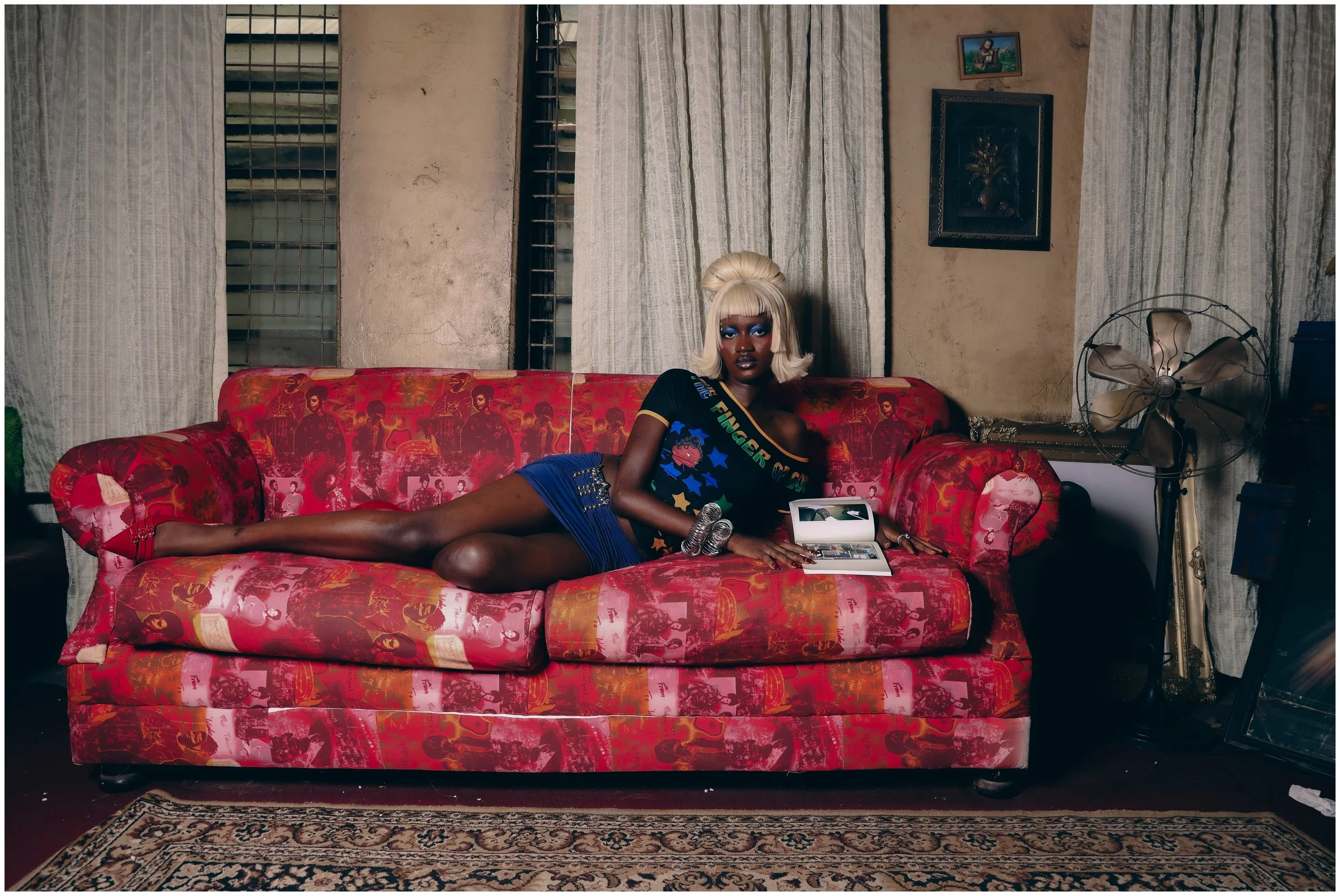
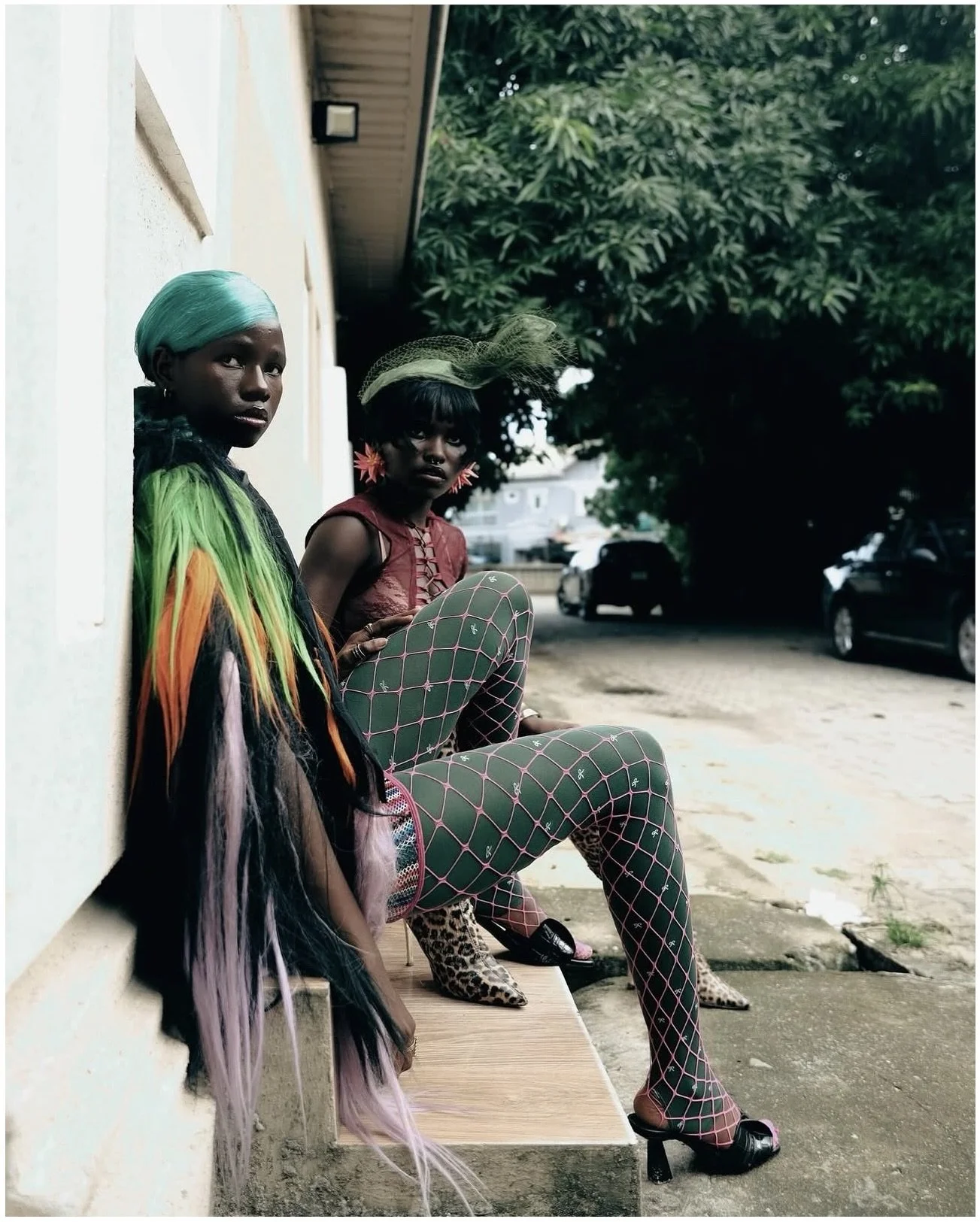
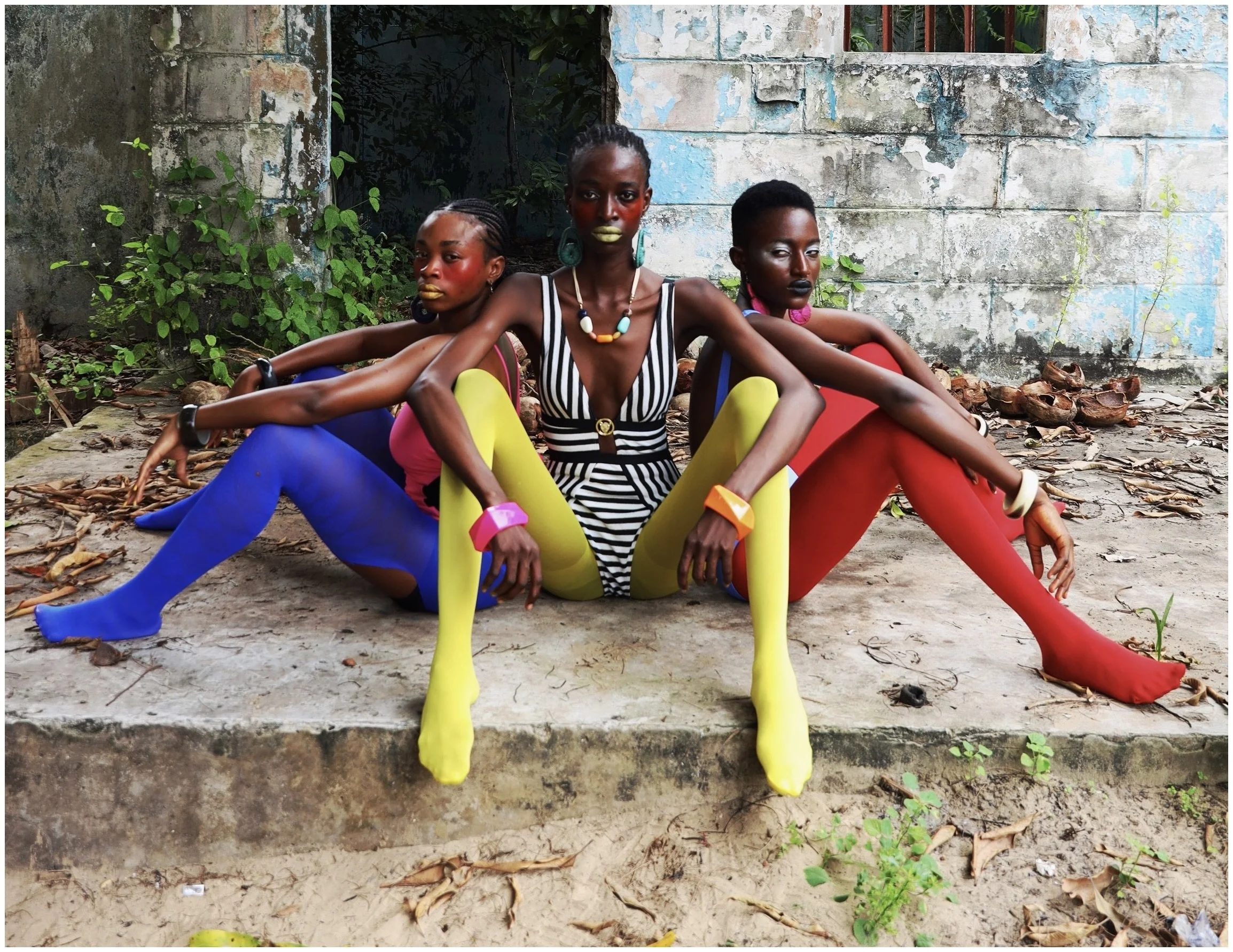
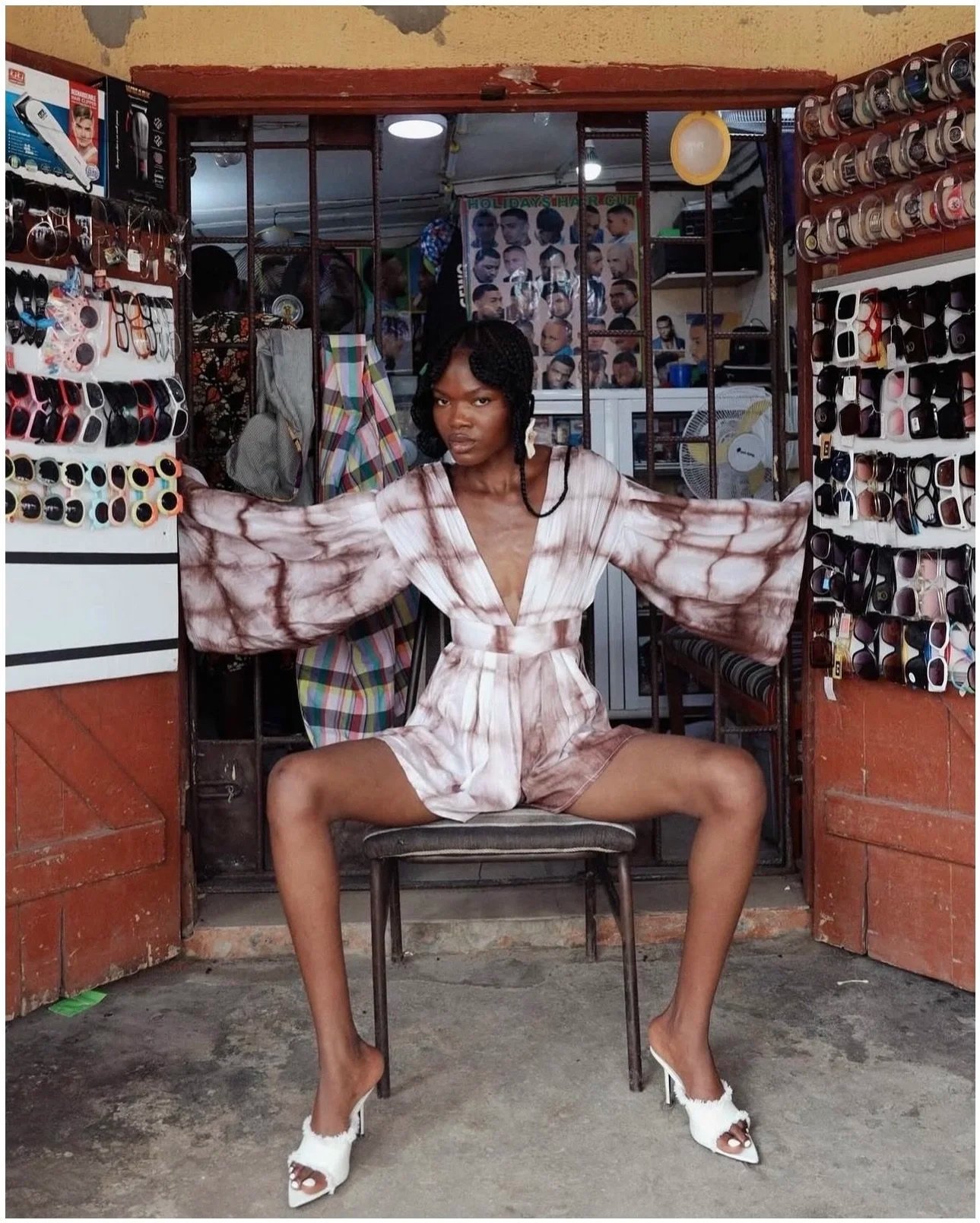
For Nigerian photographer Unavailable P, the art of becoming is at the heart of his practice. Through photography, he explores life across the African diaspora, drawing from his experience growing up in Nigeria. His work employs fashion and visual storytelling to delve far beyond the surface and consider the stories that shape how we perceive ourselves.
For Unavailable P, photography is a way to make what is felt visible. He is drawn to the experiences people carry and the ways those experiences shape our understanding of ourselves. His work transcends familiar representations of African life, creating images that invite viewers to look more closely.
As his practice continues to grow, Unavailable P. seeks to create images that can exist beyond the screen. He hopes his photographs can live in books and exhibitions, where they can be experienced over time. In the following conversation, he reflects on finding his voice and creating images that encourage others to consider their own journey of becoming.
—UNAVAILABLE P.
“Meaningful work isn't created by following algorithms but by following conviction.”
—UNAVAILABLE P.
—UNAVAILABLE P.
WHAT IS YOUR WHY? WHAT DRIVES YOUR CREATIVITY?
My work is driven by a need to understand what it means to become. Photography allows me to examine identity, resilience, memory, and the quiet battles people carry within themselves. Every image is an attempt to transform personal and collective experiences into something that can be felt long after it is seen. I create because some emotions cannot be explained with words they need to be witnessed.
HOW HAS YOUR BACKGROUND OR CULTURAL HERITAGE SHAPED THE WAY YOU SEE AND CREATE ART?
Growing up in West Africa has taught me that identity is layered. There is beauty, history, faith, tradition, and resilience that often go unseen or are misunderstood. My work draws from those experiences while presenting contemporary African narratives that move beyond stereotypes. I want my photographs to feel timeless, rooted in where I come from while speaking to audiences everywhere.
WHAT ROLE DOES VULNERABILITY PLAY IN YOUR WORK?
Vulnerability is the foundation of my practice. I don't photograph perfection, I photograph honesty. My work explores internal struggles, uncertainty, hope, and transformation because those are experiences we all share. When I allow myself to create from a place of truth, viewers often recognize something of themselves in the image.
—UNAVAILABLE P.
—UNAVAILABLE P.
WHAT DOES DISCIPLINE LOOK LIKE FOR YOU WHEN INSPIRATION DISAPPEARS?
Discipline means continuing regardless of emotion. Inspiration comes and goes, but commitment remains. I trust my process enough to keep researching, experimenting, and making work until clarity returns. Some of my strongest projects were created during seasons when motivation was absent.
WHAT’S SOMETHING YOU’VE HAD TO UNLEARN IN ORDER TO GROW CREATIVELY?
I've had to unlearn the need for external validation. Early on I cared too much about approval, trends, and recognition. Growth came when I realized that meaningful work isn't created by following algorithms but by following conviction. The audience eventually finds honest work.
HOW DO YOU KNOW WHEN A PIECE IS TRULY FINISHED?
A piece is finished when nothing else needs to be added or removed to communicate its intention. It's less about technical perfection and more about emotional completeness. If the photograph says exactly what it was meant to say, I let it go.
ARE THERE ANY ROUTINES, RITUALS, OR HABITS THAT HELP GROUND YOUR CREATIVE PRACTICE?
Discipline grounds my creativity more than inspiration. I study photography, literature, cinema, painting, and philosophy daily. I spend time observing people, writing ideas, refining concepts, and creating consistently even when I don't feel inspired. My process is built on repetition, curiosity, and showing up every day.
HOW WOULD YOU DESCRIBE THE CURRENT CHAPTER OF YOUR CREATIVE LIFE, AND HOW IS IT REFLECTED IN THE THEMES OR EMOTIONS EMERGING IN YOUR WORK?
This chapter is about expansion and refinement. I'm moving from creating strong individual photographs to building bodies of work that contribute to larger conversations about African identity, memory, family, and transformation. I'm interested in creating work that belongs in exhibitions, books, and cultural institutions while remaining emotionally accessible.
—UNAVAILABLE P.
IN AN ERA OF SOCIAL MEDIA AND CONSTANT VISIBILITY, HOW DO YOU STAY TRUE TO YOUR CREATIVE VISION WHILE ENGAGING AN AUDIENCE?
I treat social media as a gallery, not a compass. It allows people to discover my work, but it doesn't determine what I create. Every project begins with the question of what I want to say, not what will perform well online. Authenticity lasts longer than trends.
WHAT EXCITES YOU MOST ABOUT THE FUTURE OF YOUR PRACTICE, AND WHAT ARE YOU HOPING TO EXPLORE NEXT?
I'm excited about creating larger narrative projects that connect fashion, portraiture, and documentary storytelling. I'm interested in expanding into exhibitions, books, installations, and collaborations with global brands while continuing to tell contemporary African stories with honesty and depth. My goal is to build work that becomes part of our visual history, not just today's conversation.
BASED ON YOUR OWN EXPERIENCE, WHAT ADVICE WOULD YOU GIVE EMERGING ARTISTS ABOUT ADVOCATING FOR FAIR COMPENSATION AND PROTECTING THE VALUE OF THEIR WORK?
Treat your art like a profession before anyone else does. Learn to separate passion from business. Have contracts, ask for deposits, define usage rights, and don't be afraid to say no to opportunities that don't respect your value. Recognition is important, but sustainability is what allows you to keep creating. The right people won't be discouraged by your standards they'll respect them.
WHAT KIND OF IMPACT DO YOU HOPE YOUR WORK HAS ON THOSE WHO EXPERIENCE IT?
I hope my work invites people to slow down and reflect. Whether someone sees themselves in the emotional weight of an image or discovers a new perspective on contemporary African identity, I want the photographs to stay with them long after they've looked away. If my work encourages even one person to embrace their own journey of becoming, then it has done its job. I also hope it contributes to a broader visual history where African stories are told with complexity, dignity, and imagination.