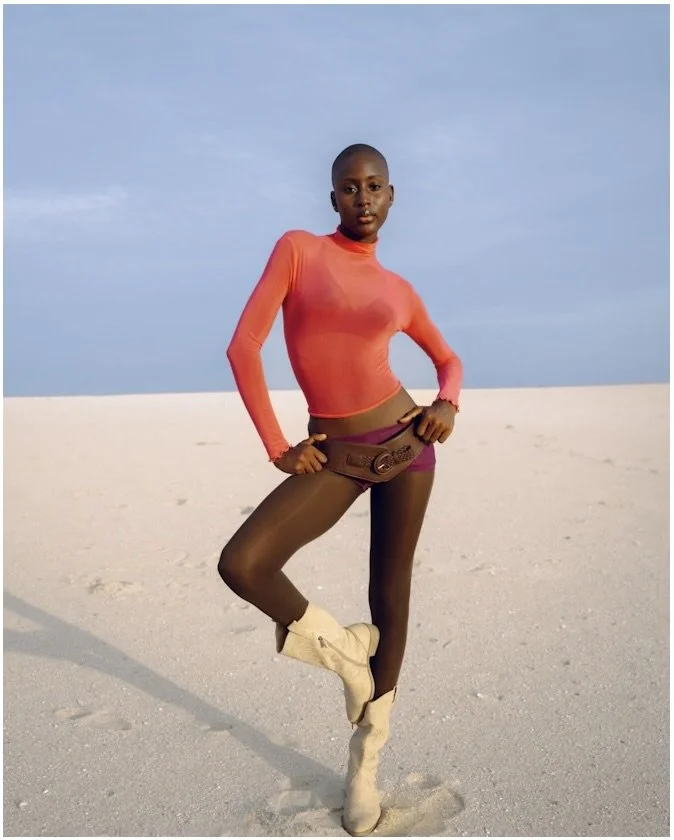
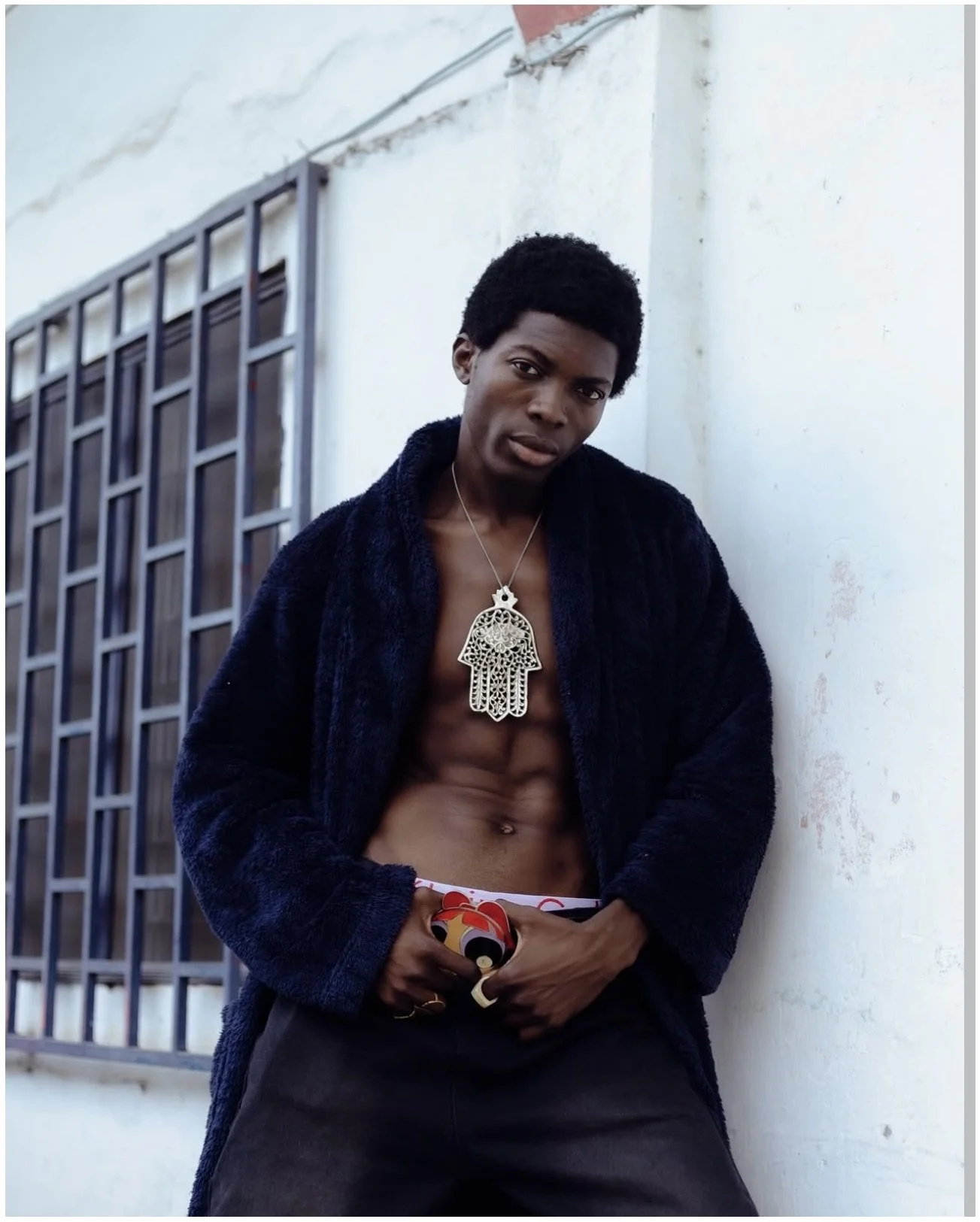
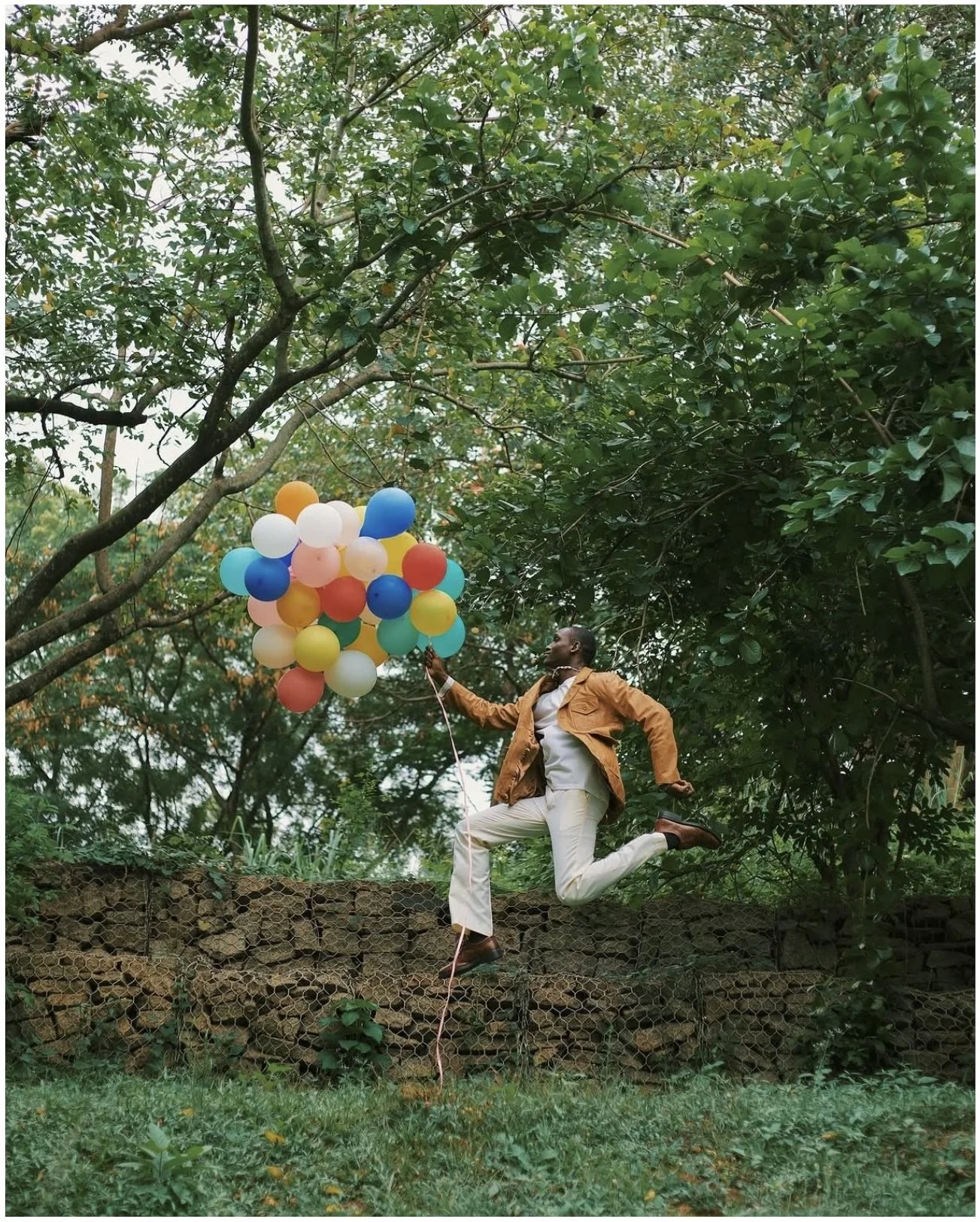
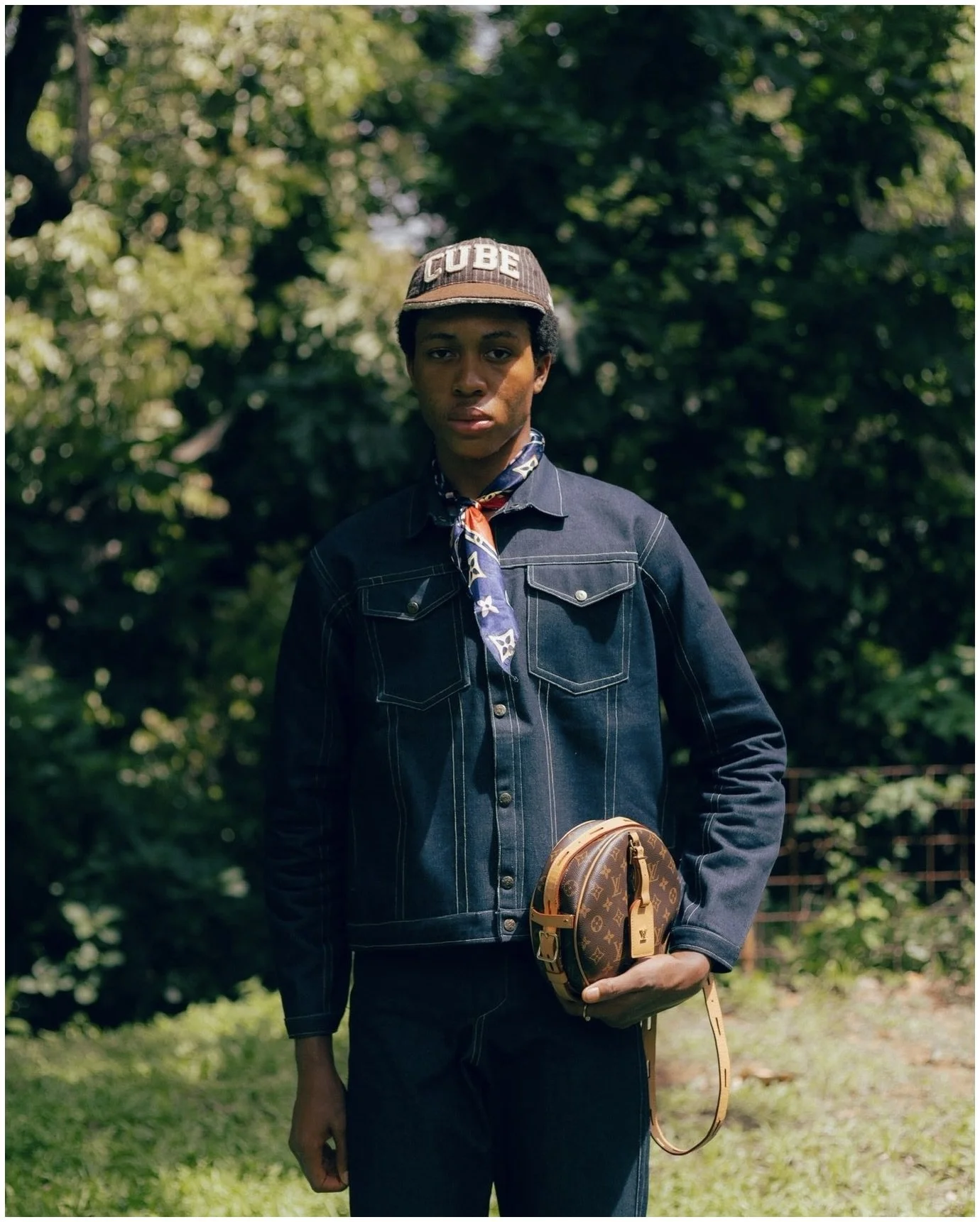
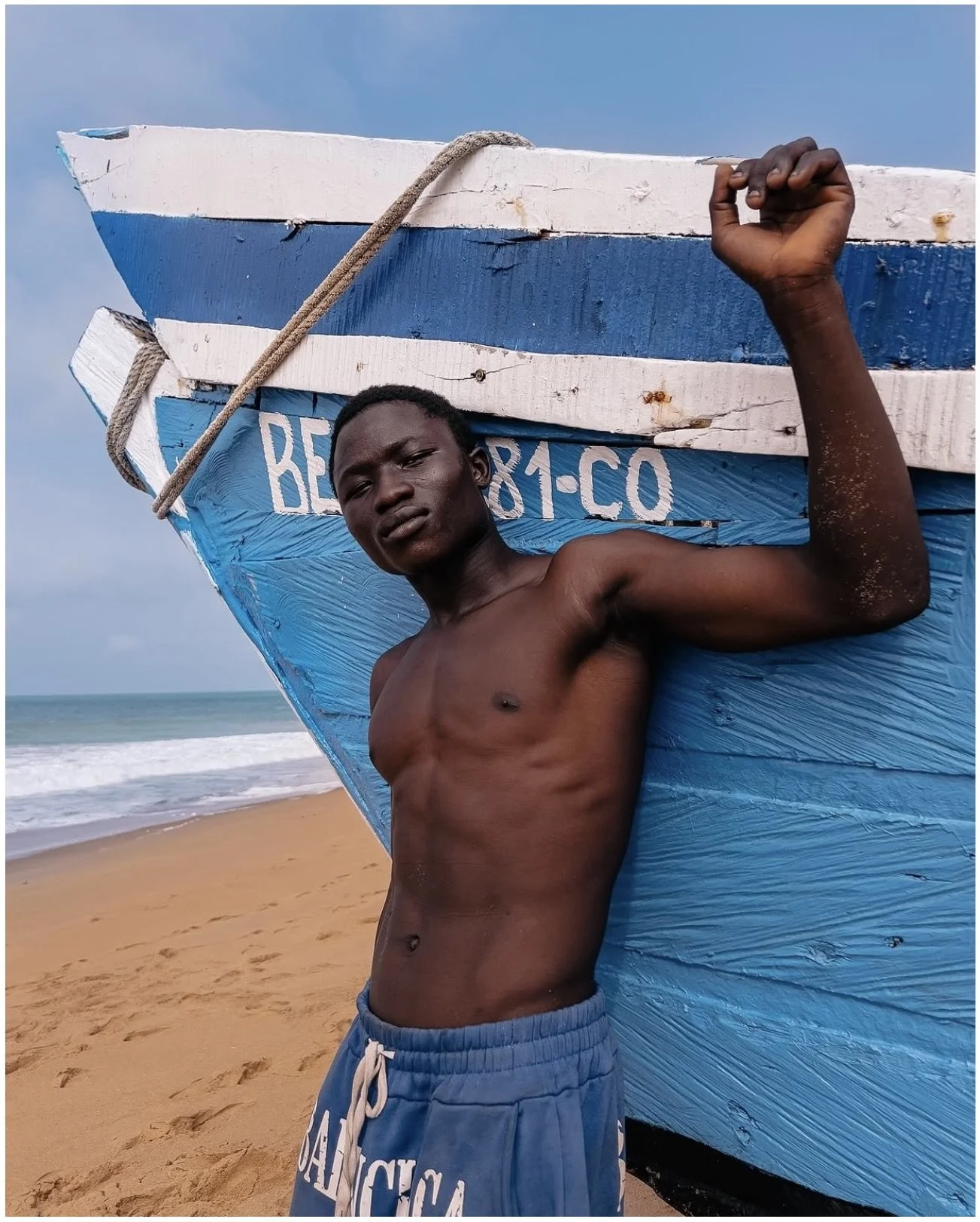
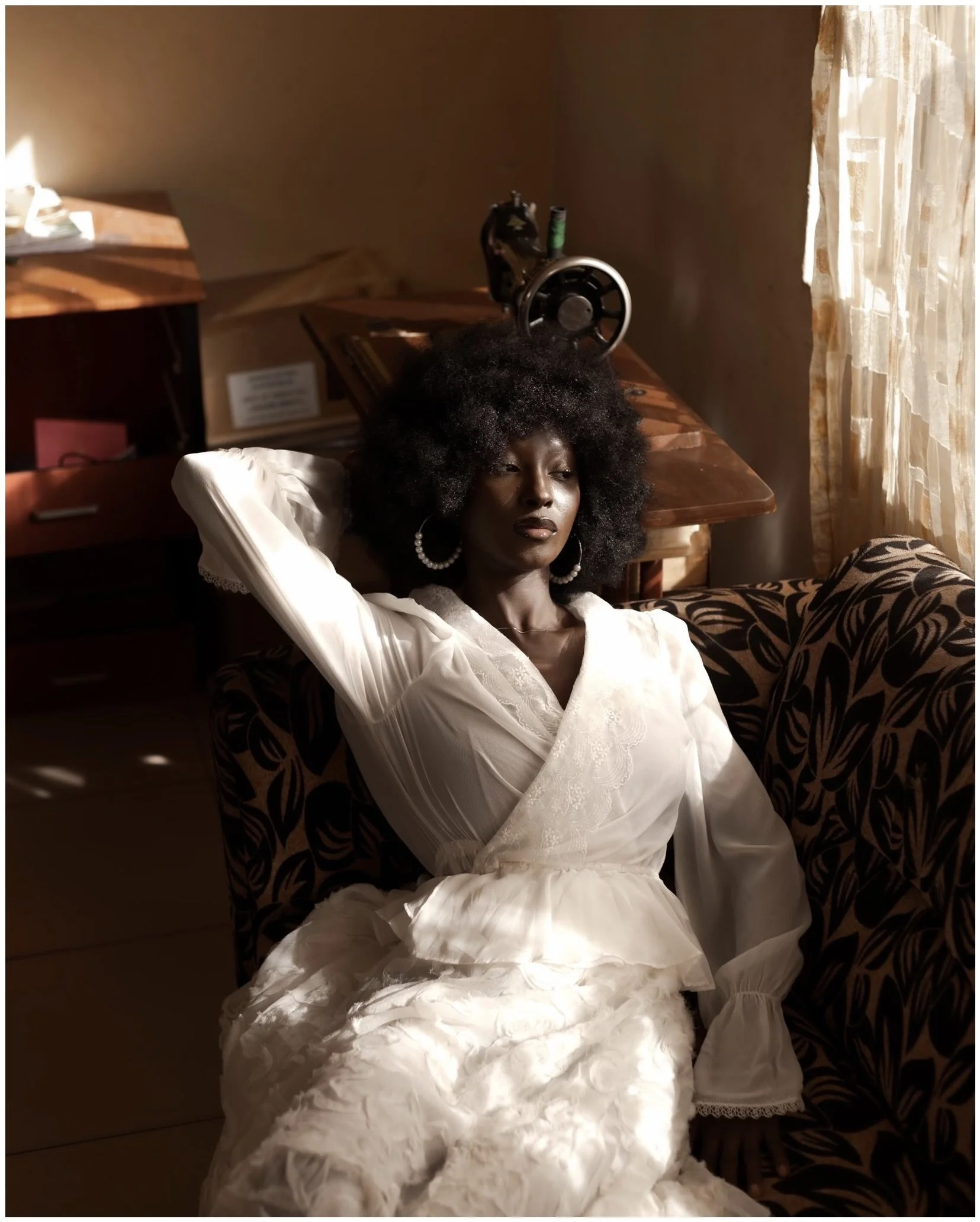
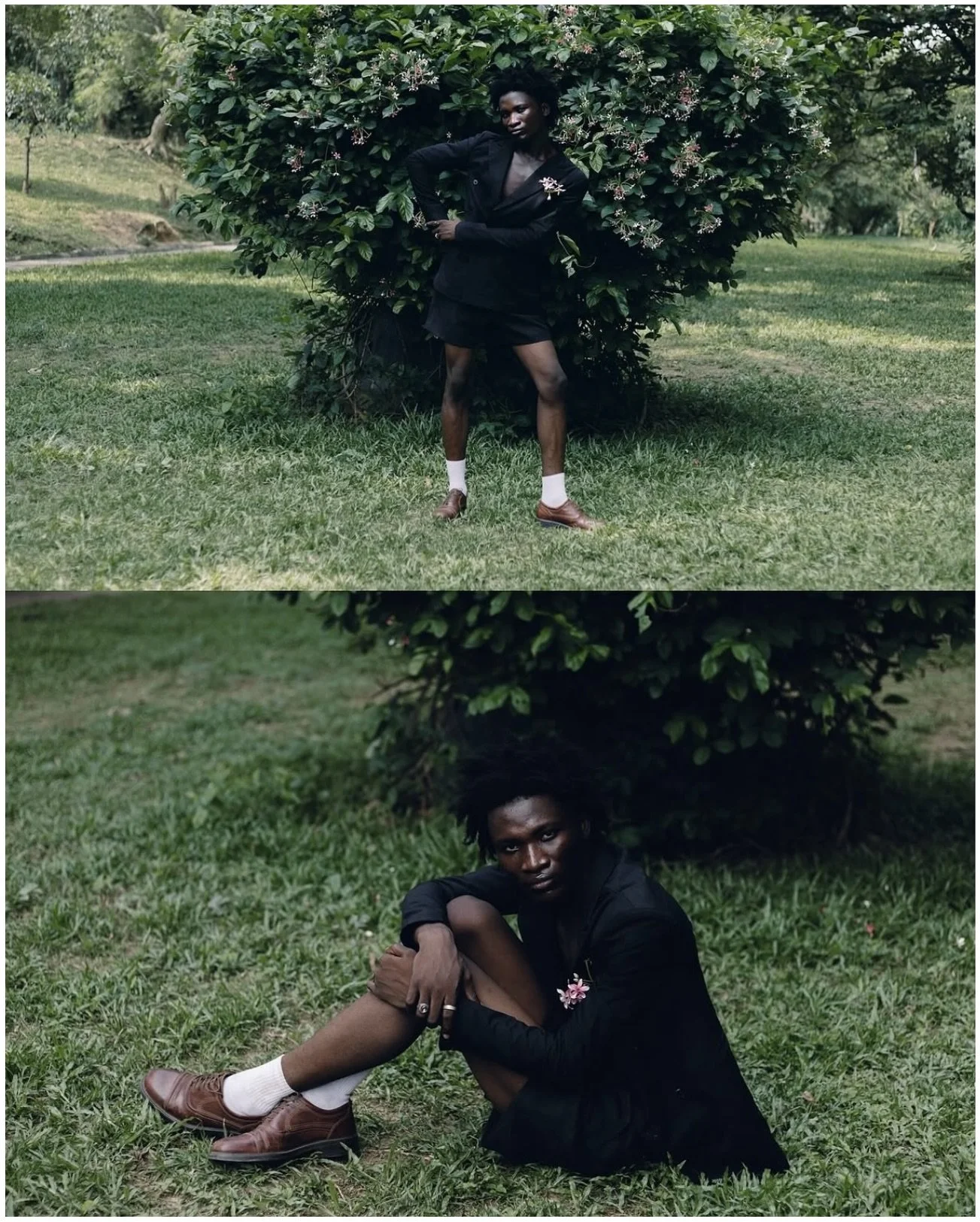
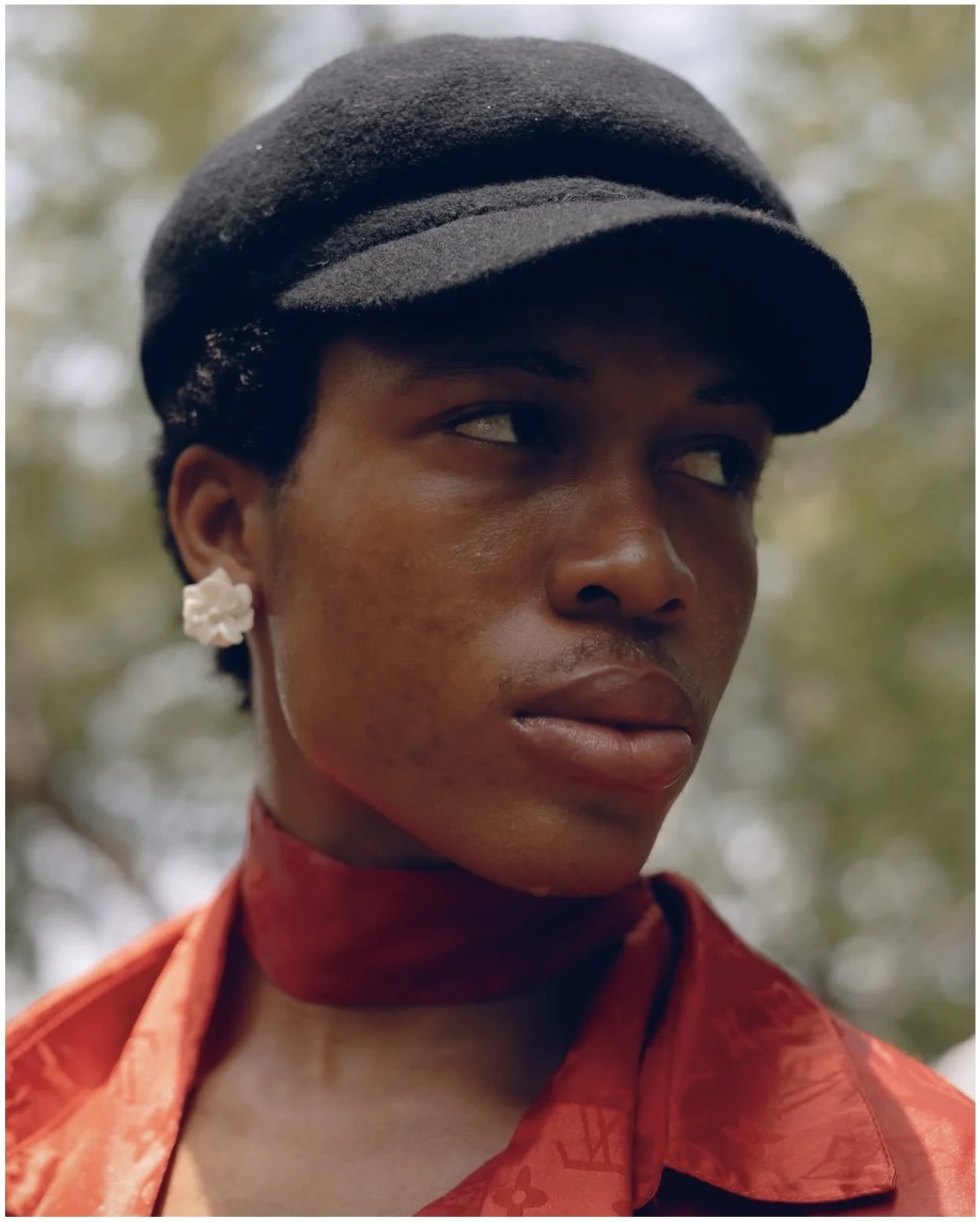
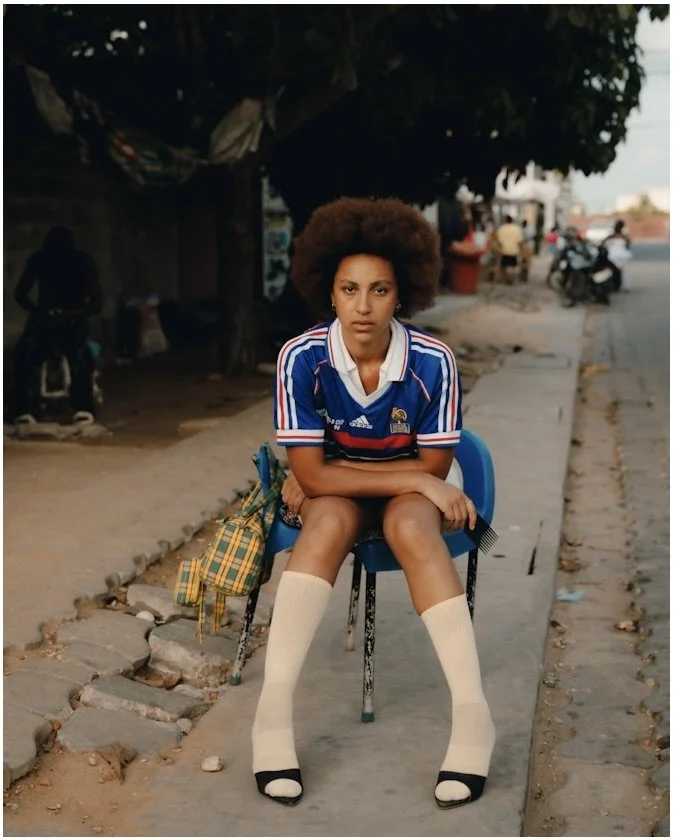
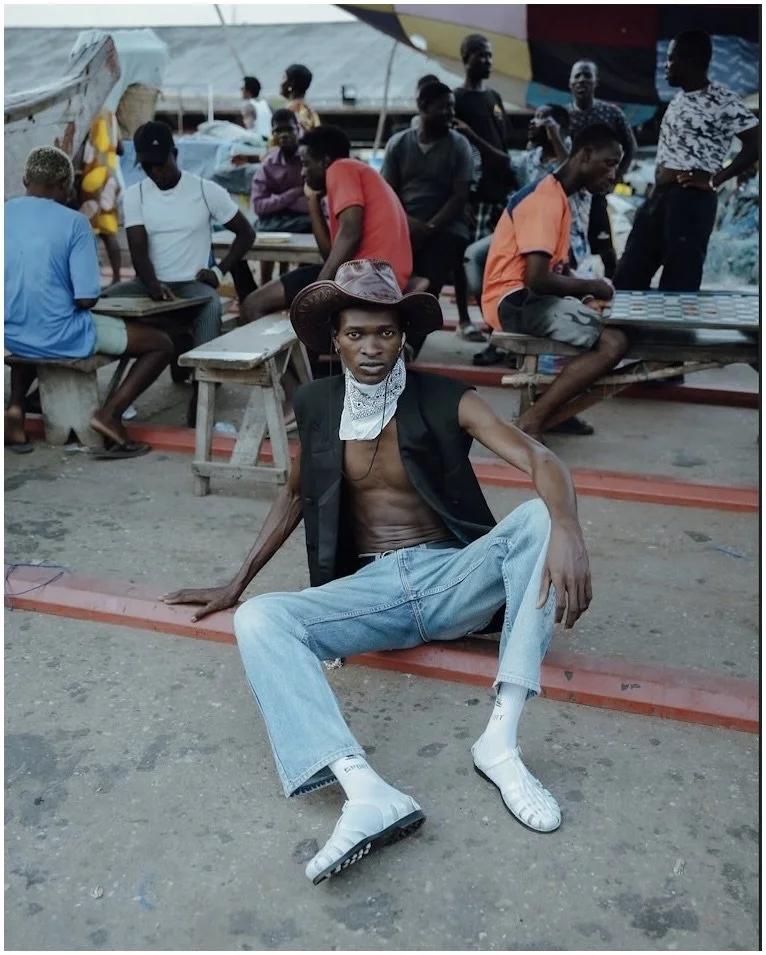
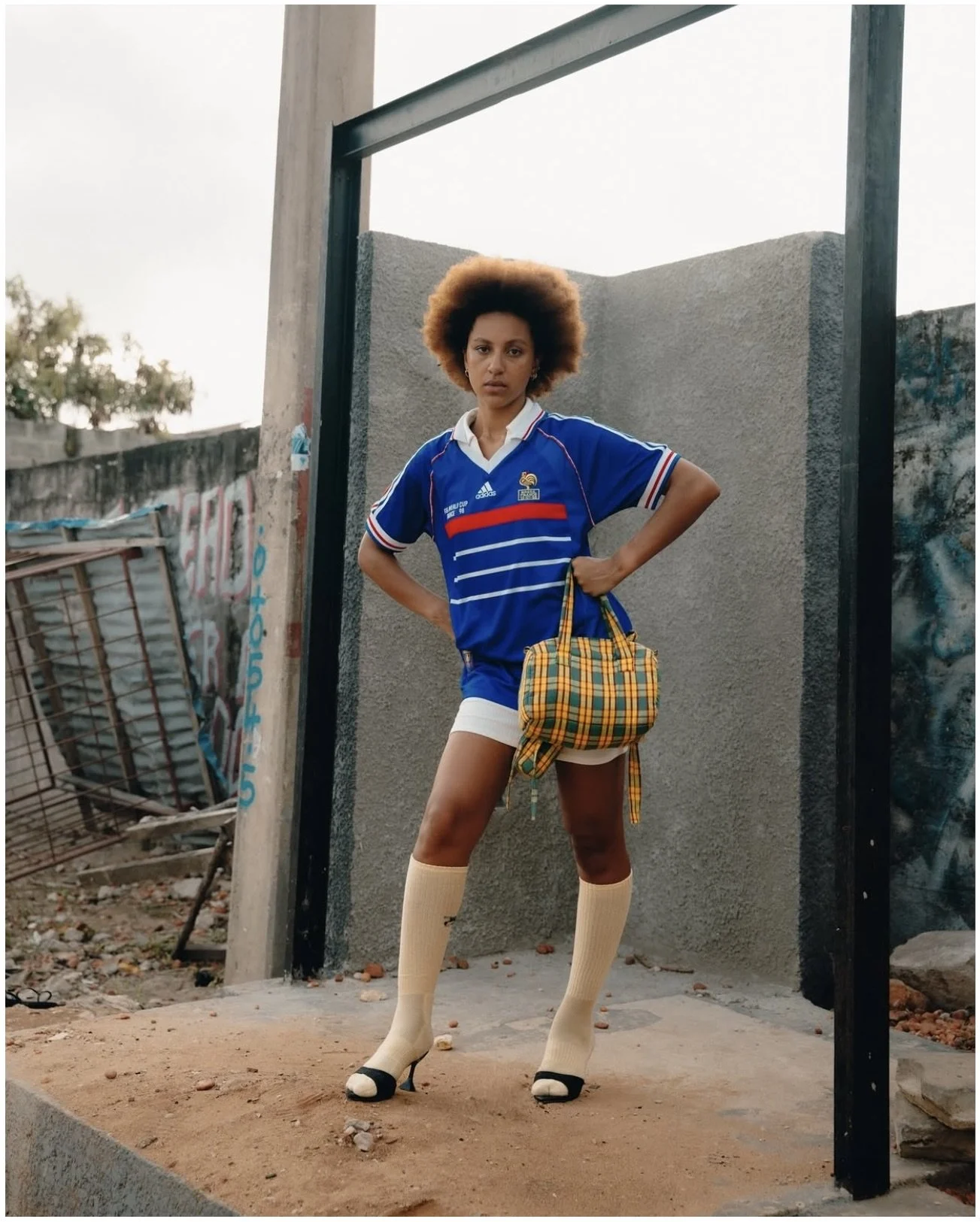
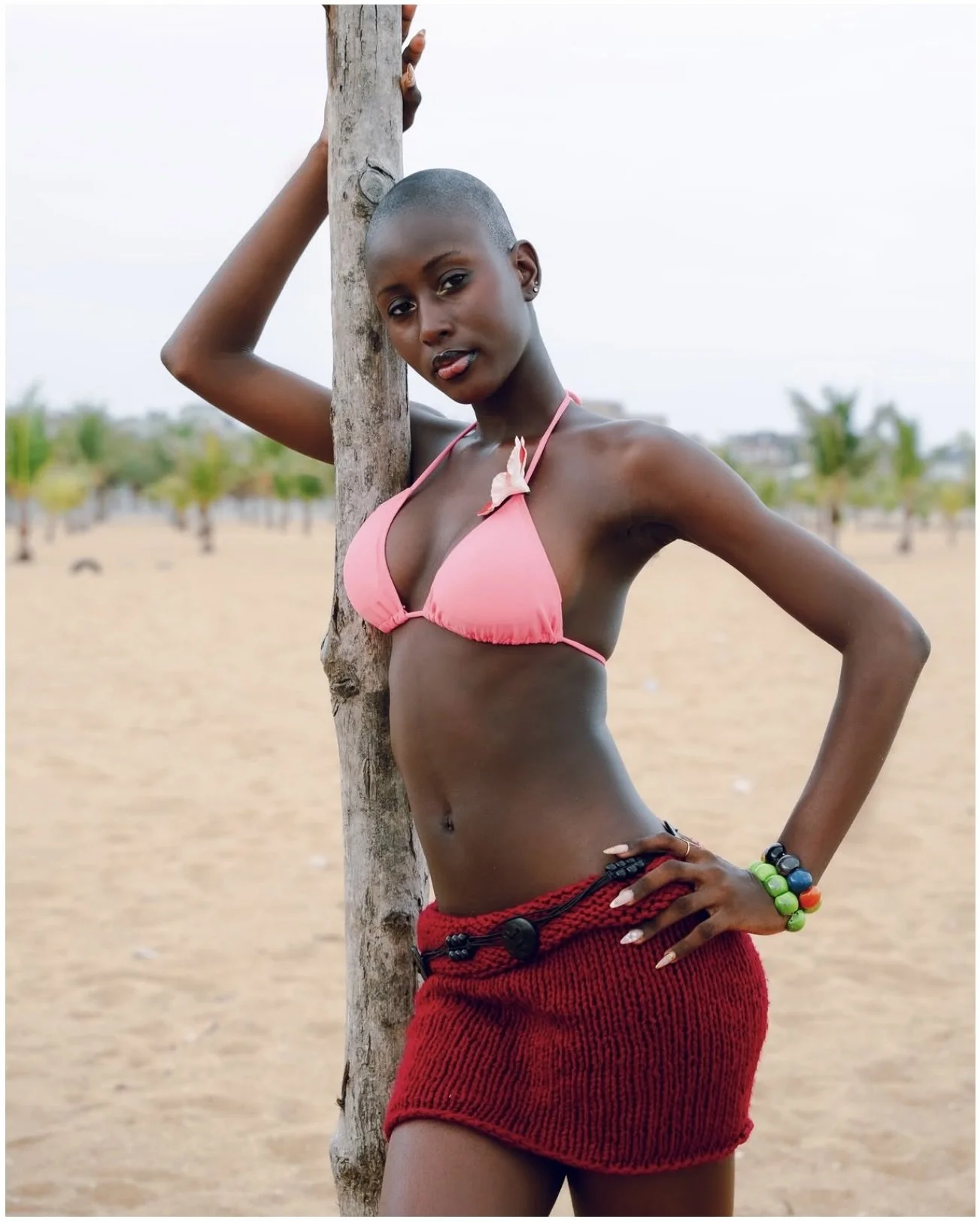
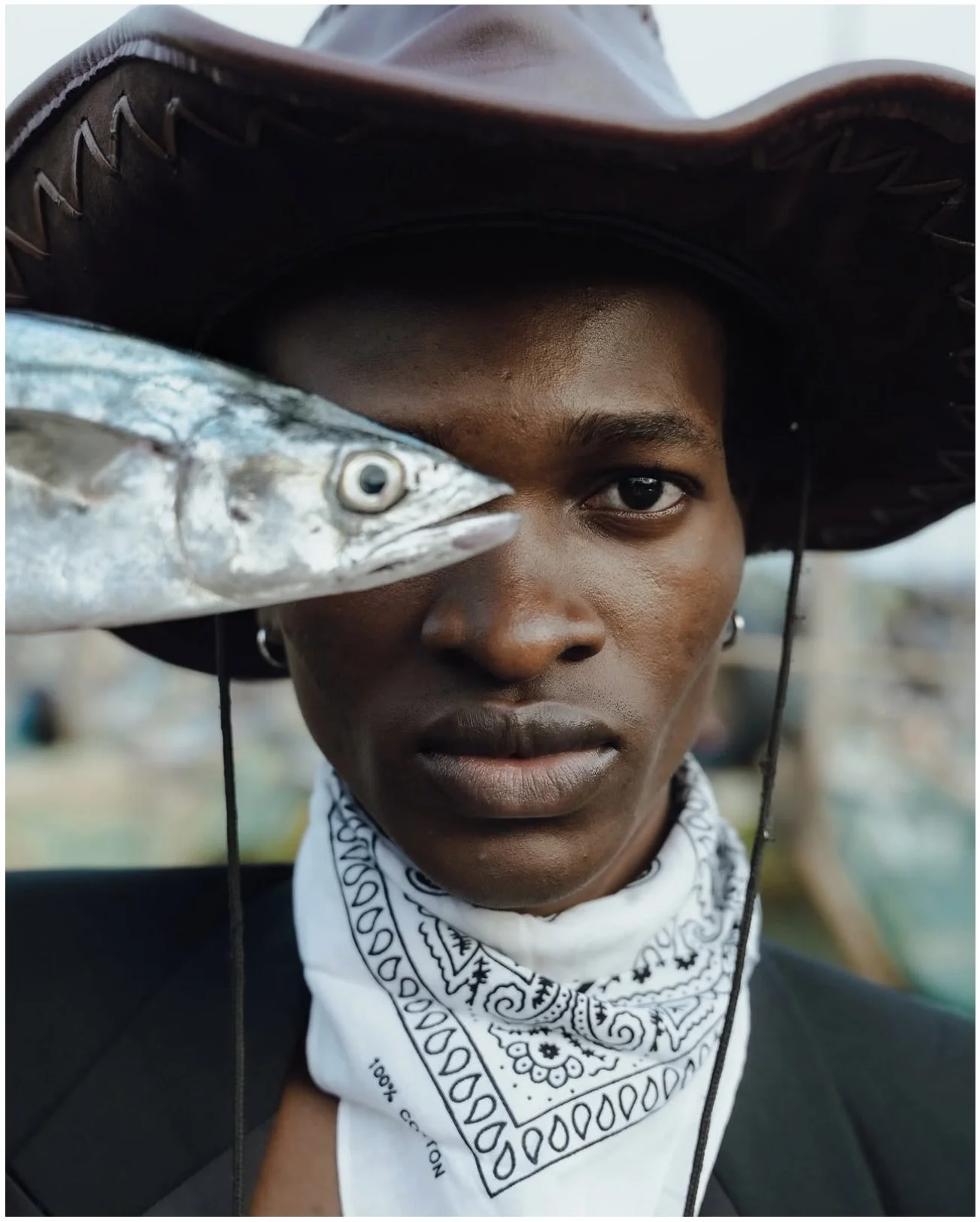
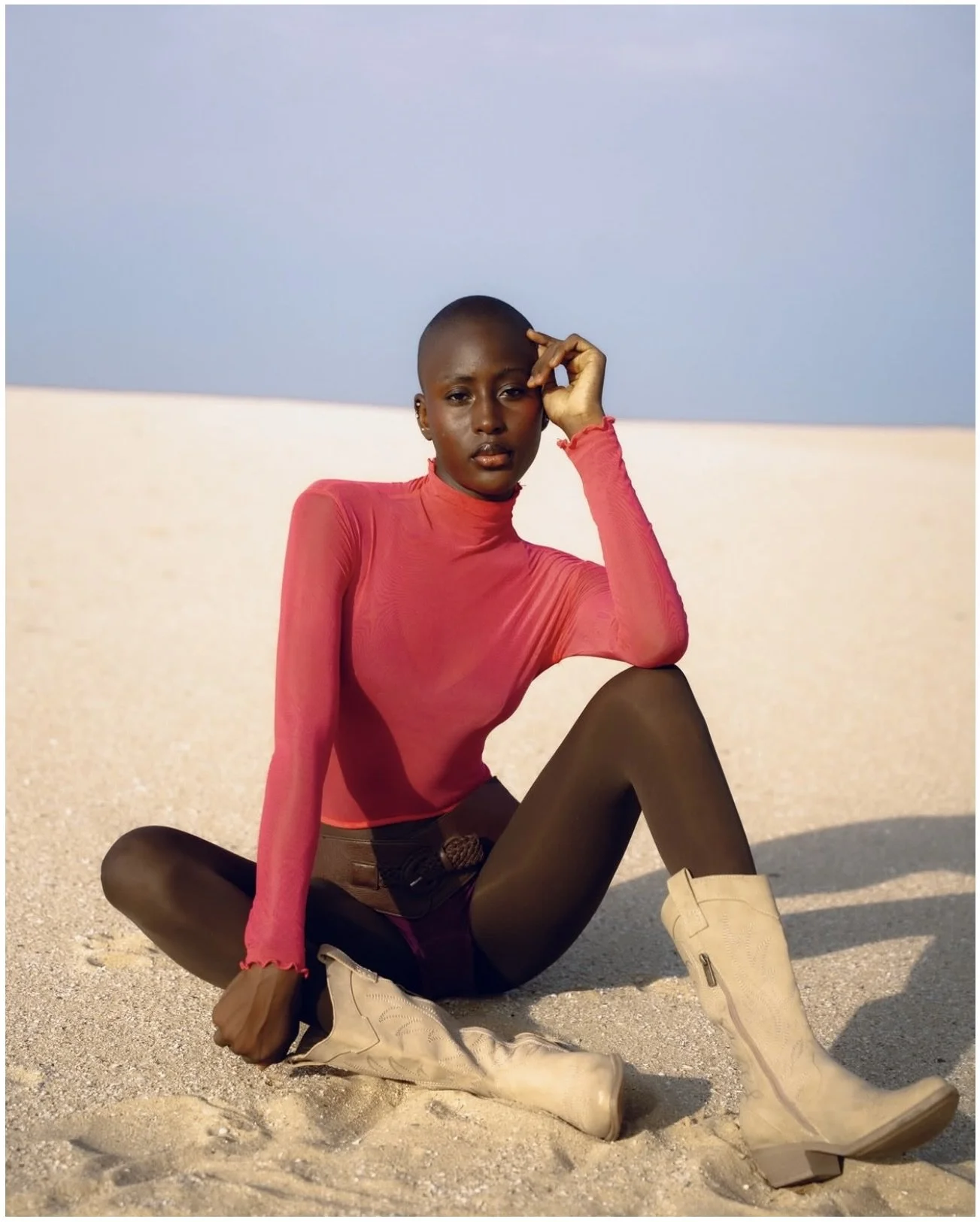
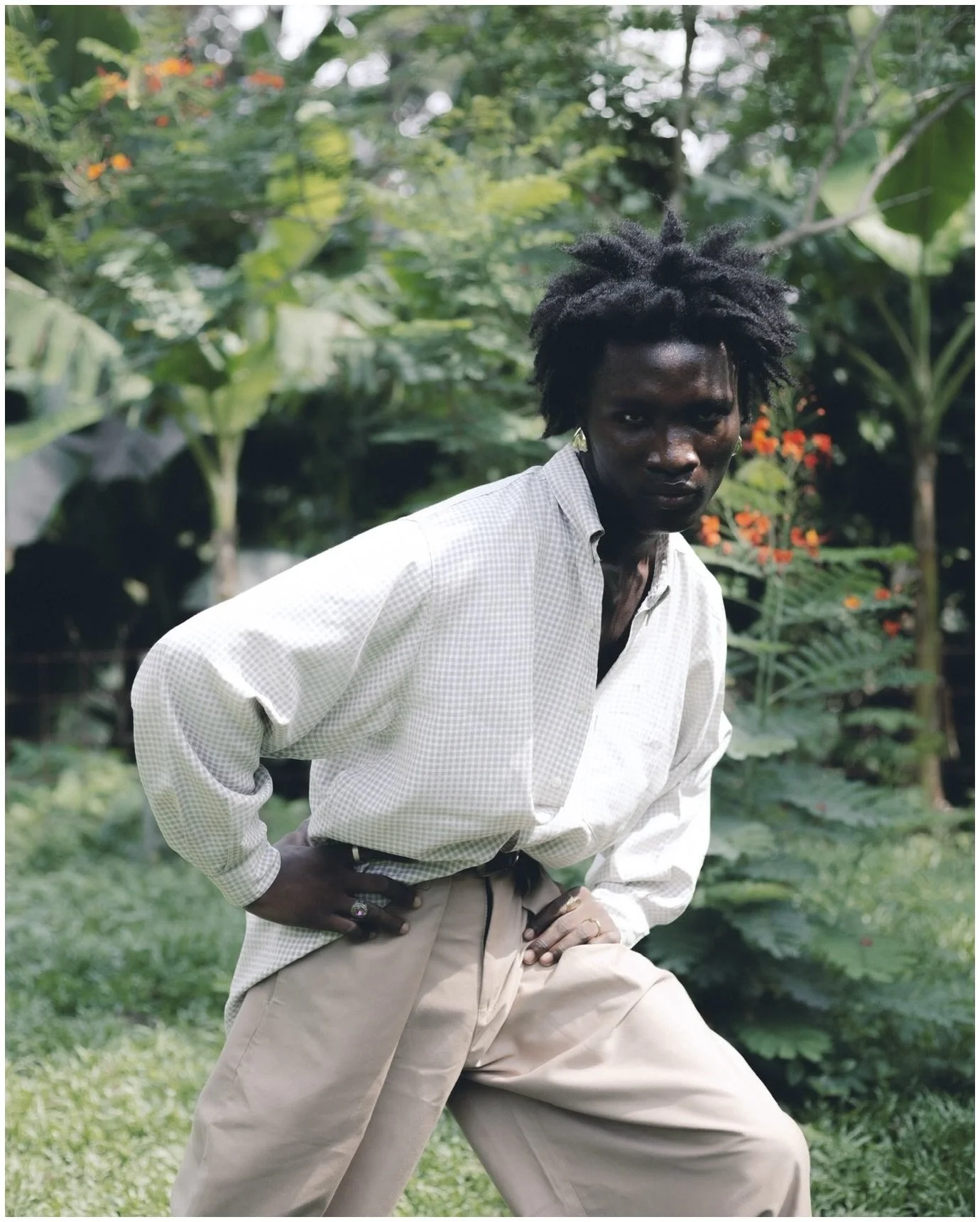
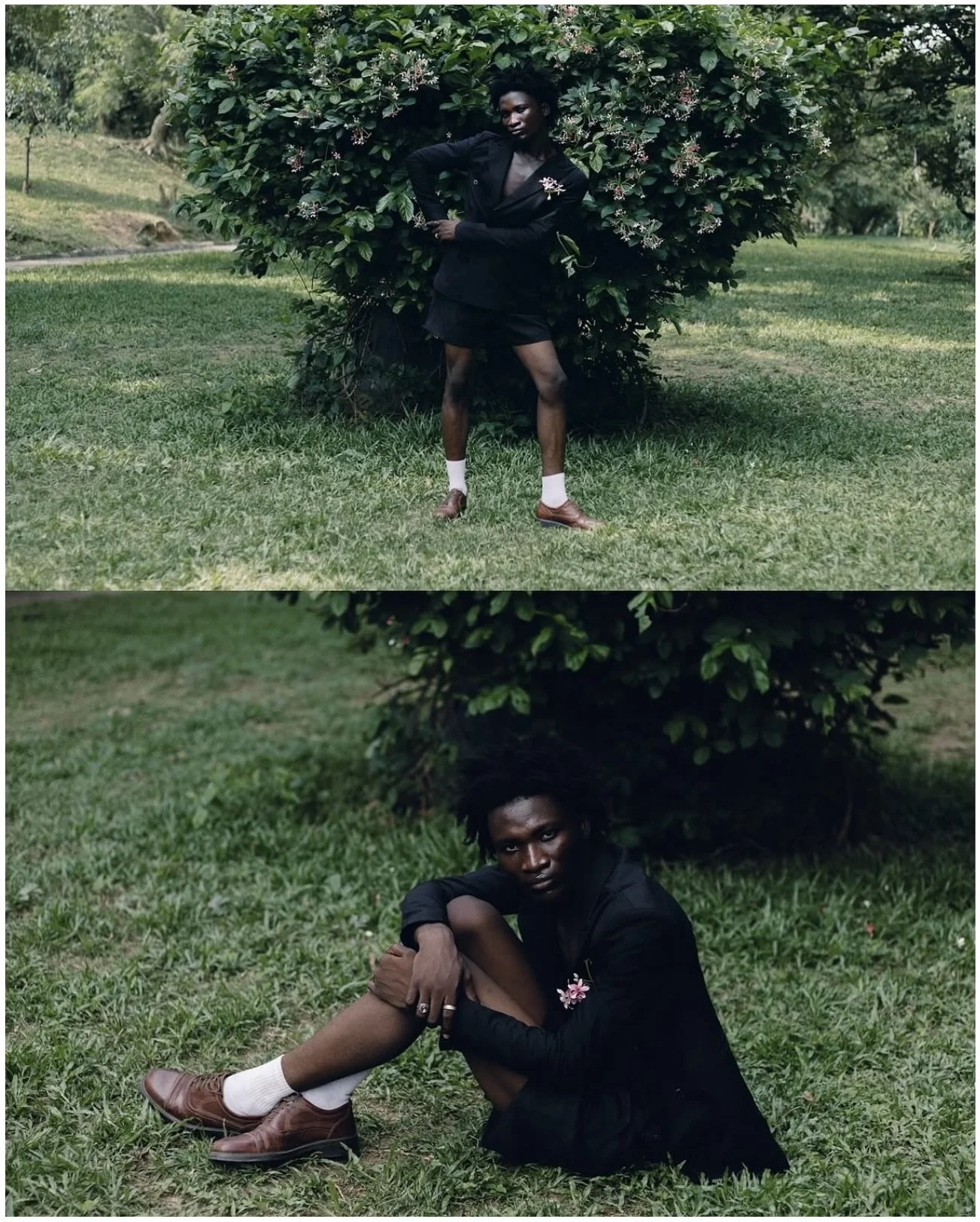
Farid Daba is a photographer and filmmaker whose perspective has been shaped by growing up between Nigerian and Beninese cultures. Moving between these cultural environments has influenced the way he observes the people and places around him. His ideas often begin with something ordinary that catches his attention. From there, he looks for ways to translate those observations into images that feel honest and familiar.
Daba’s process is intuitive. He finds inspiration while being outside, watching films, listening to music, looking at images, and paying attention to what is happening around him. Sometimes an image stays with him long after he first encounters it, eventually becoming something he wants to bring to life through photography or film. Vulnerability also plays an important role in his practice, particularly when he is creating work that feels genuine. Rather than forcing an image into a predetermined direction, he gives his ideas room to develop naturally.
As his practice continues to grow, Daba is becoming more confident in the way he sees and translates the world around him. He is interested in taking on larger projects, collaborating with new people, and creating work that allows him to spend more time with the subjects and environments that inspire him. His attention remains rooted in observation, allowing what he encounters to shape where the work goes next.
—FARID DABA
“Sometimes I’ll have an image in my head and just keep thinking about it until I figure out how I want to make it real.”
—FARID DABA
—FARID DABA
WHAT IS YOUR WHY? WHAT DRIVES YOUR CREATIVITY?
I’m driven by a desire to explore identity, culture, and human connection through visual storytelling. Photography and film allow me to capture emotions, everyday moments, and experiences that feel honest and meaningful, while creating space for people and stories to be seen.
HOW HAS YOUR BACKGROUND OR CULTURAL HERITAGE SHAPED THE WAY YOU SEE AND CREATE ART?
Growing up between Nigerian and Beninese cultures has definitely influenced how I see things. I’ve been around different languages, traditions, people, and ways of life, so I think I naturally pay attention to those differences and the little things that make people and places feel like themselves.
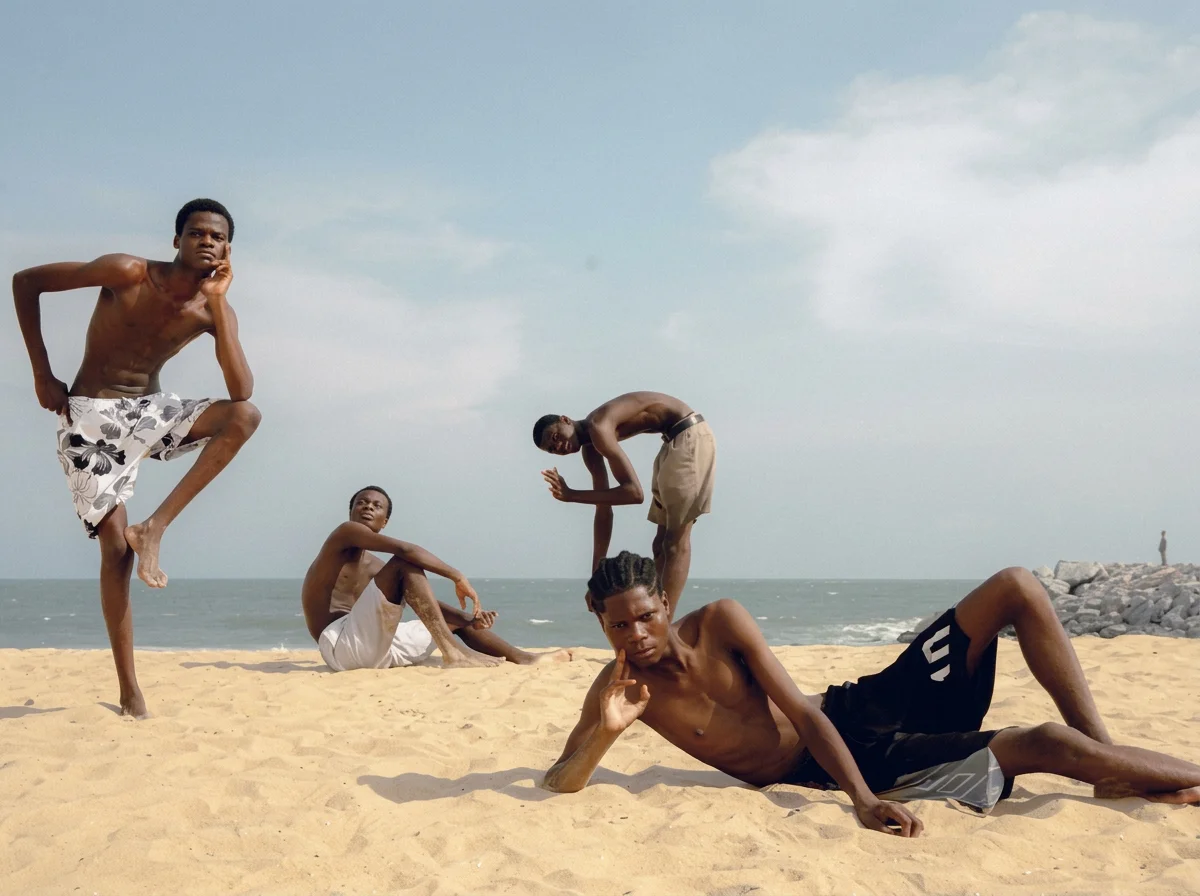
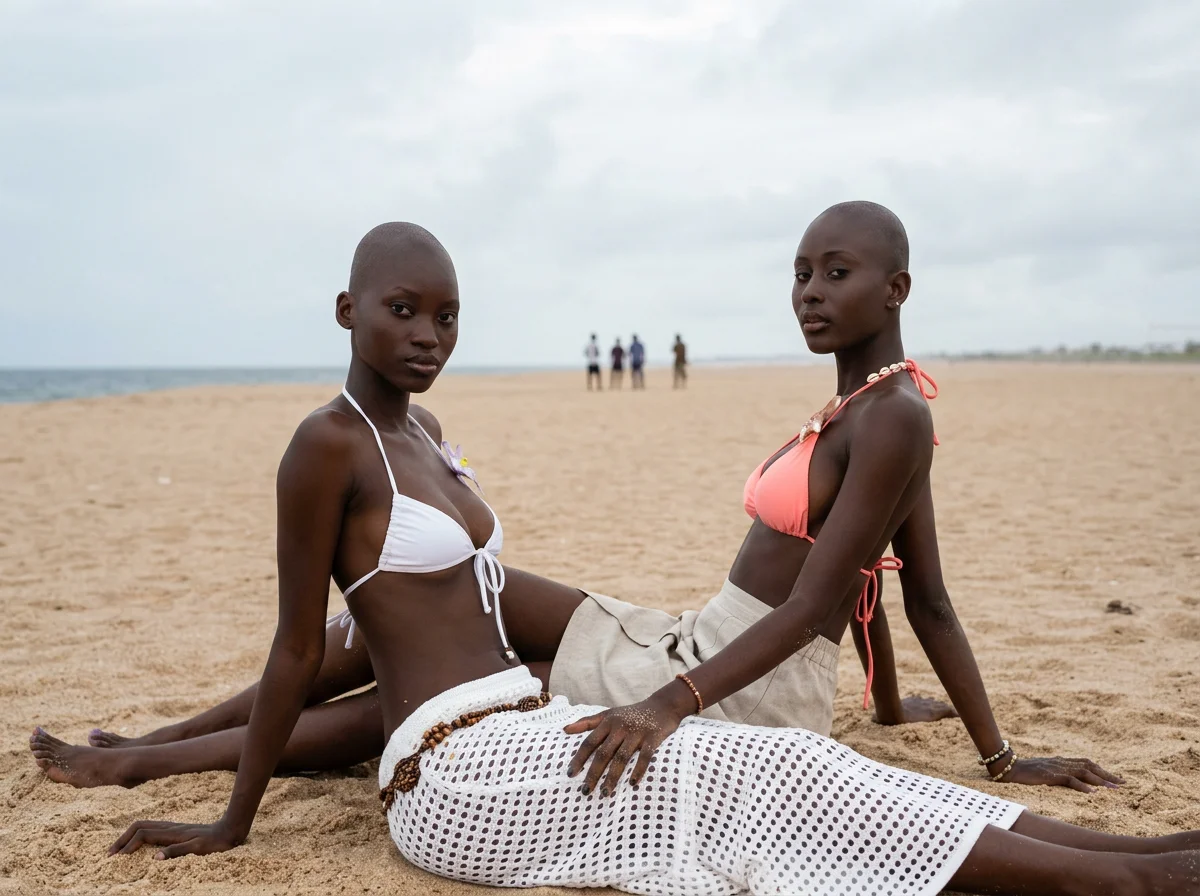
You can probably see that in my work too. I’m drawn to people, everyday life, color, and the environments around me. A lot of what I create comes from what I observe around me and how I imagine things looking and feeling in my own head. I like taking those observations and turning them into something that feels like my own.
WHAT ROLE DOES VULNERABILITY PLAY IN YOUR WORK?
I think vulnerability makes the work feel real. I’m interested in people being themselves without trying too hard to pose or perform. Sometimes it’s just a look, a gesture, or a quiet moment that makes an image work for me. I also have to be vulnerable as an artist and trust my ideas, even when I’m not completely sure where they’re going.
ARE THERE ANY ROUTINES, RITUALS, OR HABITS THAT HELP GROUND YOUR CREATIVE PRACTICE?
I don’t really have a strict routine. A lot of my ideas come from just being outside, observing people, places, colors, and little moments around me. I also spend a lot of time looking at images, films, music videos, and things online that spark an idea.Sometimes I’ll have an image in my head and just keep thinking about it until I figure out how I want to make it real. I think staying curious and paying attention to what’s around me is probably the biggest part of my process.
-FARID DABA
WHAT DOES DISCIPLINE LOOK LIKE FOR YOU WHEN INSPIRATION DISAPPEARS?
When I’m not inspired, I try not to force it too much. Sometimes I’ll step away from the work and just live a little go outside, watch films, listen to music, look at other people’s work, or just observe what’s around me. Usually something eventually catches my attention.
But I also know I can’t always wait for inspiration. Sometimes I just have to start, even if I’m not feeling it. Once I start doing something, the ideas usually come back.
WHAT’S SOMETHING YOU’VE HAD TO UNLEARN IN ORDER TO GROW CREATIVELY?
Definitely. A lot of what I’ve learned has come from being online. I’ve spent years watching other artists, photographers, filmmakers, behind the scenes videos, interviews, and tutorials. YouTube especially has been a big part of my learning process.
Seeing how other people approach their work has helped me experiment, try things for myself, and slowly figure out what feels like me.
HOW DO YOU KNOW WHEN A PIECE IS TRULY FINISHED?
I usually know when I look at it and don’t feel like I need to change anything anymore. I can be very picky with my work, so sometimes I’ll keep going back to it, changing small things. But eventually there’s a point where I feel like I’ve said what I wanted to say, and anything more would just be me overthinking it.
HOW WOULD YOU DESCRIBE THE CURRENT CHAPTER OF YOUR CREATIVE LIFE, AND HOW IS IT REFLECTED IN THE THEMES OR EMOTIONS EMERGING IN YOUR WORK?
I feel like I’m in a chapter of figuring things out and becoming more confident in what I want my work to look and feel like. I’m experimenting more, taking more risks, and trusting my instincts.
Honestly, sometimes I don’t even know exactly where I’m heading, but I’m learning to be okay with that. I’m just trusting the process, trusting myself, and keeping going. I think that feeling of uncertainty, curiosity, and becoming naturally shows up in my work too.
IN AN ERA OF SOCIAL MEDIA AND CONSTANT VISIBILITY, HOW DO YOU STAY TRUE TO YOUR CREATIVE VISION WHILE ENGAGING AN AUDIENCE?
I think social media can be useful, but I try not to let it decide what I create. Of course, I notice what people respond to, but I don’t want likes or numbers to become the reason I make something.
I’m still figuring out my own voice, so I try to stay focused on what I genuinely like and what feels right to me. If people connect with it, that’s a bonus. But I want to be able to look back at my work and know that I made it because I believed in it, not because I thought it would do well online.
—FARID DABA
WHAT EXCITES YOU MOST ABOUT THE FUTURE OF YOUR PRACTICE, AND WHAT ARE YOU HOPING TO EXPLORE NEXT?
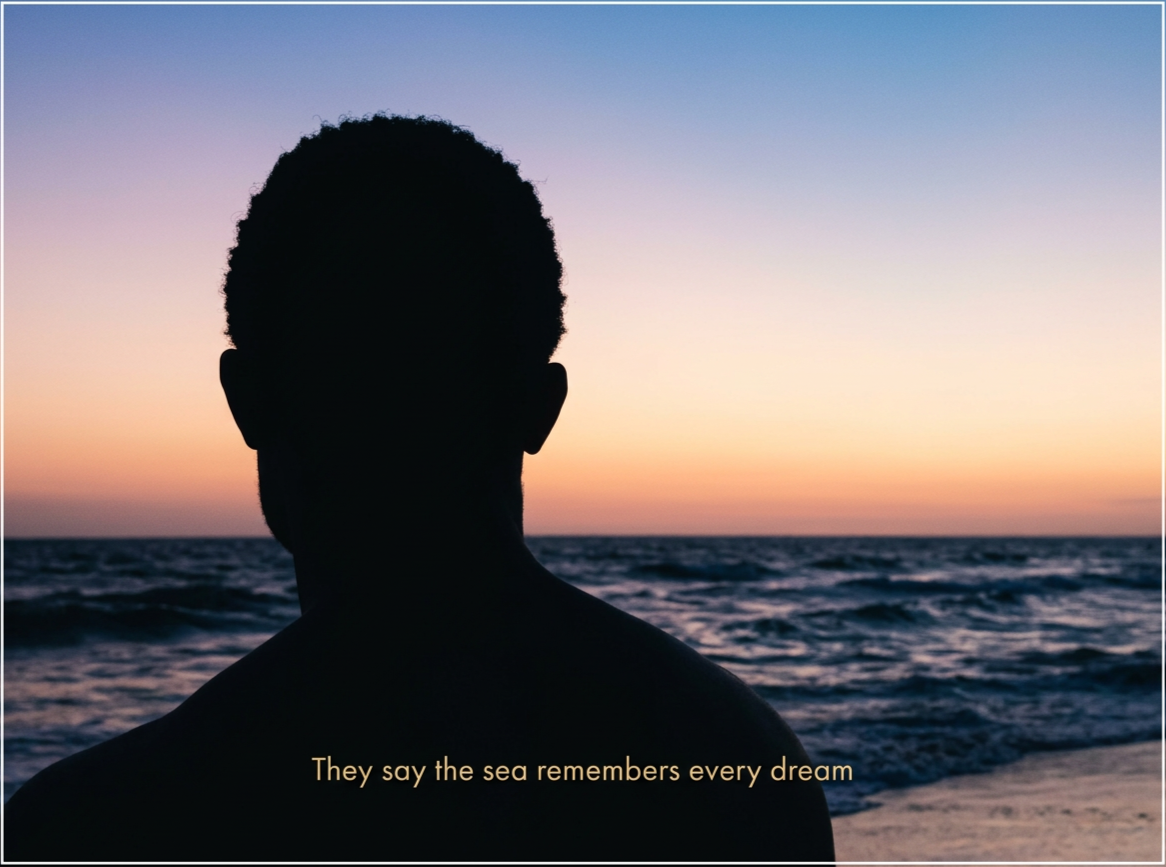
What excites me most is being able to take the ideas I have in my head and actually bring them to life. Sometimes I’ll have an image or a feeling in my mind and get excited about figuring out how I can make it real.
I want to keep exploring photography and film, make bigger projects, work with different people, travel, and see how my ideas change in different environments. I’m still figuring out where all of this is going, but I’m excited to keep creating, experimenting, and seeing what I can bring out of my imagination.
BASED ON YOUR OWN EXPERIENCE, WHAT ADVICE WOULD YOU GIVE EMERGING ARTIST'S ABOUT ADVOCATING FOR FAIR COMPENSATION AND PROTECTING THE VALUE OF THEIR WORK?
I think the biggest thing is knowing the value of your work and being comfortable talking about money. Don’t be afraid to ask questions about the budget, what your work will be used for, and what you’re actually getting in return.
I’ve learned that it’s okay to say no when something doesn’t make sense for you. Not every opportunity has to be accepted, especially if your work is being used without proper compensation or credit. And whenever possible, have things agreed on clearly before you start even if it’s just a simple contract or written agreement. It saves you from a lot of problems later.
WHAT KIND OF IMPACT DO YOU HOPE YOUR WORK HAS ON THOSE WHO EXPERIENCE IT?
I hope my work makes people feel something, even if it’s something small. Maybe they see an image and connect with a feeling, a person, a place, or even just the way something looks.
I also want people to see themselves and their everyday lives in my work in a way that feels honest. I’m not always trying to give people an answer. Sometimes I just want to make them stop for a moment, look, and feel something.
—FARID DABA